
Lerner Child Development Blog
Open access to my full library of over 150 blogs is now available by becoming a member of Lerner Child Development (LCD). Scroll through thumbnails below or see the button to explore all the blogs by topic.
This subscription service enables me to continue to provide in-depth, reality-based content drawn from more than three decades of helping families solve their most vexing childrearing challenges.
In addition to access to my blogs, subscription to LCD includes several new interactive learning opportunities with me each month: a live, open Q&A and quarterly webinars on key topics. Members are also entered for two monthly drawings for a free 30-min consultation.
Note that I have made some of my most popular blogs available for free.
Blogs By Categories
- All Most Popular Blogs
- Big Reactors
- Building Resilience
- Challenging behaviors
- Cooperation
- Emotional Regulation
- Food Challenges
- Highly Sensitive Children
- Limit-Setting With Love
- Low Frustration Tolerance
- Mealtime
- No Power Struggles
- Parental Self Awareness
- Parental Self Regulation
- Physical Aggression
- Positive Discipline
- Potty Learning
- Regression
- School Related Issues
- Separation and Divorce
- Sibling Issues
- Sleep
- Social challenges
- challenging behaviors
- lying
- masking
- positive parenting
- separation anxiety
- social emotional development
- stress

You Are Not A Helicopter Parent. You Are Your Child's Emotional Support Parent
This blog may be the nearest and dearest to me. It speaks to a parenting phenomenon that I have personally struggled with, and continue to work on 30+ years into my parenting journey.
It all crystallized for me when, a few months ago, a mom of a very sensitive, reactive child who gets triggered into discomfort easily, and is thus prone to frequent and intense meltdowns, described herself as her child’s “emotional support animal” and it took my breath away. This so perfectly captured my experience and that of so many of the parents (most often a mom) I work with who have an HSC (highly sensitive child).
This mom is her child’s primary and most desired (demanded) source of comfort. She is the person who is highly tuned in to her child, keenly focused on anticipating anything that might cause him stress, and tirelessly working to head it off.
We are often called “Helicopter Parents” which has become the catch-all nomer (slur) for any parent who is perceived to be overprotecting their child. It is shaming and judgmental. It is damaging, and not helpful. And it does not capture or take into consideration the more complex and nuanced dynamic that evolves when you have a very committed, loving, sensitive parent with a child who is not wired to be as adaptable as other kids; who gets triggered easily by the unexpected, and by sensations that are registered at a higher decibel and cause discomfort; and, whose big feelings are hard to manage, especially at such an early age. These parents are acting out of necessity, really survival. They are doing their best and working to the point of physical and emotional exhaustion to provide comfort to their children who are hard to comfort, and to preserve some semblance of family peace and harmony—no small feat—when you’ve got a big reactor in your home.
Just telling parents to stop hovering, to stop “overprotecting” and rescuing, to set limits and not give in to tantrums, is too simplistic and doesn’t acknowledge the very complex systems that evolve in families with big reactors just to cope day to day.
This blog offers insights from my own parenting experience and my work with hundreds of kindred ESPs (“emotional support parents”) that I hope will be validating, and will also help you find that important, but often hard-to-find, sweet spot of supporting versus enabling your child. In other words, how to nurture that special closeness you have with your child while also setting the important limits that are essential for children’s individuation and healthy, independent functioning far into the future.

How To Help Kids Navigate Social Challenges
Caleb, 5, is at the playground trying to enter a game of tag with some of the neighborhood kids. He is randomly tagging people, not following the rules. The kids are getting annoyed. They keep telling him to stop. Caleb ignores their pleas and gets sillier. He starts to make fun of their names, calling Isaac, "Pisak" and Max, "Sax." At this point, the kids tell him to go away. Caleb runs to his mom, Mira, who has been sitting on a bench observing. He is angry and crying because the kids are being mean to him and not letting him play.
Mira: "What do you expect, Caleb? Why would they want to play with you when you're not playing by the rules and are making fun of their names? And you don't stop when they ask you to. They don't like it so they don't want to play with you."
Caleb: "They're mean. You don't understand! You never listen to me! You are always on their side." He demands to go home, which they do.
Mira feels awful. It is so clear to her that the way Caleb is acting with his peers is resulting in rejection, which is having a very negative affect on him and is painful for Mira to witness. She feels so sad for Caleb. At the same time, she is frustrated and at a loss as to how to help him see how his behavior is causing the problem, and that the solution is in his hands; that if he played more appropriately, he would have more positive social interactions and feel better about himself. But the second she tries to talk to him about it, he gets defensive. He acts like he is the victim and projects all the blame onto the other kids. She is despairing about how to help him.
This is a very common story, and conundrum, that many families I work with face with their children. It is so distressing for them to see their kids behave in ways that they know will not bode well for them.
The deep love we have for our children, and the concomitant fear that comes with this territory, propels us into reactive-mode, which often takes the form of schooling them (as Mira did), hoping that this will convince them to change their ways: “Why would your friends want to play if you won't share?" "We just can't do playdates if you are going to boss your friends around. They don't like it." We think that if we can just get our important (brilliant! insightful!) points across, they will change their behavior and all will be right with the world.
While you mean to be helpful, these kinds of responses are experienced as criticism, and thus shaming, by children, and launches them into defensive, self-protection, closed-brain mode. This prevents any possibility for reflection and behavior change—the ultimate goal.
What To Do

How To Help Avoidant Kids Take on Challenges And Work Through Fears
Jacob (6) loves swimming and joins a swim team that he is really enjoying. Then he has a series of illnesses that keep him out of this activity for over a month, after which he starts refusing to go to practices. When his parents ask why, he says he doesn't like swimming anymore—that it is "stupid”—which is perplexing and worrying to them. They know how fortifying this activity is for Jacob and that giving it up would be a real loss.
Accordingly, they respond: "But you love swimming, and are great at it! Why would you stop going?" They also start cheerleading—encouraging him and offering rewards if he agrees to return. Jacob only digs in his heels further. He refutes all of their talking points and doubles down on his position that he is quitting swimming.
This is a very common response from kids when parents try to convince them to keep at something they are anxious about. While you intend/hope it will be motivating, it can backfire, especially for highly sensitive kids who are very tuned into the underlying motives of their parents. They are already coping with difficult feelings about the situation. When they sense that you are disappointed or unhappy with their non-participation—when they won't jump into the pool to join the class with the other kids, or when they resist joining in the scrum at the birthday—it adds to their stress and makes it less likely they will feel confident to persevere through the challenge.
When we meet, Jacob's parents are feeling very distressed that their son is giving up something that was so important and healthy for him, and feel helpless to get him to change his mind. They are particularly concerned because this is a pattern for Jacob. He tends to give up easily and avoid things that are hard or that he isn't perfect at. His parents worry that he is missing out on important experiences that could potentially bring him a lot of pleasure.

How To Teach Lessons to Kids Who Can't Tolerate Being Corrected
All parents want to teach their kids to learn to take responsibility for their actions.
For parents of kids who are big reactors, this can feel like an impossible goal because their kids react so negatively, and sometimes explosively, to being corrected. They get angry and defensive, cover their ears, run away, or completely shut down when faced with an adult who is trying to inculcate them in some way.
So many parents have shared stories in recent consults about this vexing phenomenon, which tells me that there are probably many of you out there who are struggling with this, too. So, this blog provides insight and guidance on how to teach kids important lessons when they can't tolerate being corrected.
Why kids have a hard time being corrected
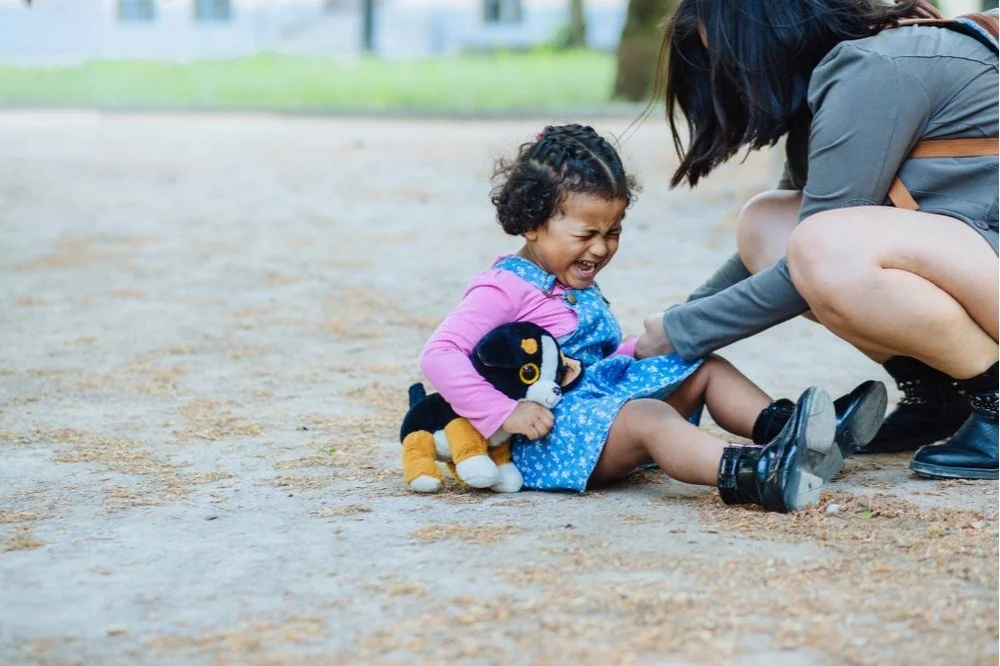
How To Be A "Gentle" Parent When You Have A Big Reactor
Every week I have multiple consults during which parents are in tears and experiencing utter despair over not being able to be the "gentle" parent they want to be. They feel like total failures. All are exhausted and depleted. Some are depressed.
These parents all have "big reactors", aka, kids who go from 0-60 in a nanosecond if you: cut their sandwich the wrong way; take a different route home from school; pay ANY attention to the new baby; don't let them have another TV show; can't get their blankets on exactly the way they want after 20 minutes of trying, and so on.
These moms and dads, like all parents, want to be "gentle" parents: calm, loving, empathetic, validating and warmly connected to their kids.
The problem is that, largely from the explosion of social media, they have gotten the message that being a "gentle" parent means: your child is never unhappy; you are always engaged in loving, joyful connection with your child; you have the power to always calm your child when they are upset; you never feel frustrated, angry, overwhelmed, or want a break from your child, and act out on those feelings.
This might be possible if you have a super adaptable, go-with-the-flow child (who makes their parents look soooo good!) These are the kids born with an "easy" temperament, who weather changes and transitions easily and who cope with limits and life's natural disappointments and frustrations without a lot of distress and dysregulation.
But "sharing your calm" (aka "co-regulation") with a child whose epic meltdowns can be destructive, and venomous (a recent favorite is from a 4 yo who shouted at his father: "I'm taking you back to the daddy store!"). and include "slaughterhouse screams" and physical aggression—hitting, spitting, kicking, scratching—is a whole different ballgame.

“It’s All Your Fault!” Why Your Child Blames You For Everything (and how to help kids learn to take responsibility for their mistakes)
“Do all 4-year-olds blame their mothers for all of their mistakes or when anything goes wrong?? My daughter drops pizza on the floor, I’m responsible. I get a drip of water from her toothbrush on her shirt and I did it on purpose. She falls off her scooter, I made it happen, and according to her, I should never have bought the scooter (she had begged for!) to begin with! Don’t I know that she HATES scooters?!”
I hear stories like these all the time from parents (and not just of 4 yo’s), and recall this charming phenomenon from my own days in the childrearing trenches.
With 20-20 hindsight, and decades of working with kids since mine were little, I have gained some insight into the roots of these reactions and what children need from us in these moments in order to learn to accept their failures and manage their mistakes—the ultimate goal.
Why Our Kids Blame Us

Stop Working So Hard To Calm Your Kids!
Working in the trenches everyday with families continues to yield new insights, even after 35 years. One recent, powerful observation is that parents are doing WAY too much when kids are having a having a hard time. As always, this comes from the most loving place: parents don't want to see their children in distress and will do whatever they can to relieve that discomfort.
It also comes from a misinterpretation of messages many of my families have absorbed on social media about the importance of accepting, validating, and being present when kids are distressed. This translates into parents believing they are harming their children—sending them the message that their feelings don't matter and they are alone—if they are not constantly by their side, repeating empathetic phrases to show they understand, or trying to get their child to talk about his feelings. This has become equated in their minds with abandoning their child in his time of need.
Just yesterday I talked to a mom who is very confused about how to best support her 5-year-old who is a very big reactor and has major meltdowns, especially when screen time is over. She calls it “Groundhog’s Day”: despite implementing the same plan day after day—their son chooses a show and they turn it off when it’s over, they don’t cave and stick to the limit—he has a huge tantrum every single time. She is doing everything “right”—she stays calm and validates his feelings—but at some point she needs to tend to her two other children (3 yo and a baby), and worries, based on what she has read, that it is harmful to her son to not be by his side for the entire duration of his meltdown.
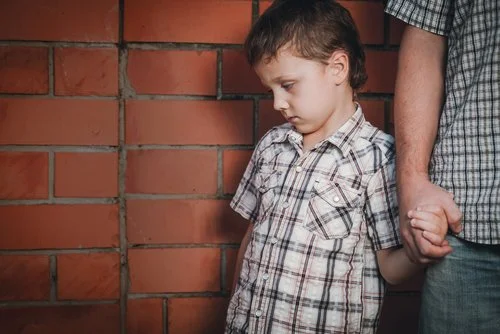
5 Ways to Help a Hesitant Child Try New Things
Having a child who is slow-to-warm-up and hesitant to try new things can be very challenging for parents. It triggers your own anxiety—especially if you are more extroverted by nature and admire kids who are "go-getters."
A common reaction is to act as a cheerleader to convince your child he can do it. You know that your child would love soccer but he resists participating, so you regale him with, “But you're great at soccer. You will love the class.” Your child shows hesitation about going to school, so you try to persuade him with: “The teachers in this school are so nice. And the room has so many amazing toys. You are going to have so much fun!”
The problem is that while you have the best of intentions, trying to cajole kids to participate when they are feeling anxious often makes them feel worse. It amplifies the shame they are already experiencing about not doing the activity other kids are enjoying. This is especially true for highly sensitive children (HSC) who tend to be more self-conscious. Having attention focused on them, especially when they feel they are being evaluated or judged, can be uncomfortable and exacerbate their stress.
Also keep in mind that children (especially HSC) are very tuned into the underlying motives of their parents. They see right through you. They are keenly tuned in to what you want from them—what will make you happy. Looking at it through the lens of logic, you might think that your child would be motivated by wanting to please you and would change his behavior accordingly.
Instead, what I find is that the pressure kids experiences when they sense how invested you are in their performance is stifling, not motivating. They have to cope with the risk of disappointing you when they won't jump into the pool to join the class with the other kids, or when they resist joining in the scrum at the birthday party. It becomes a relationship issue that is fraught with tension. This makes it less likely your child will feel confident to take a risk and tackle a new challenge.
5 Steps That Support Kids To Try New Things
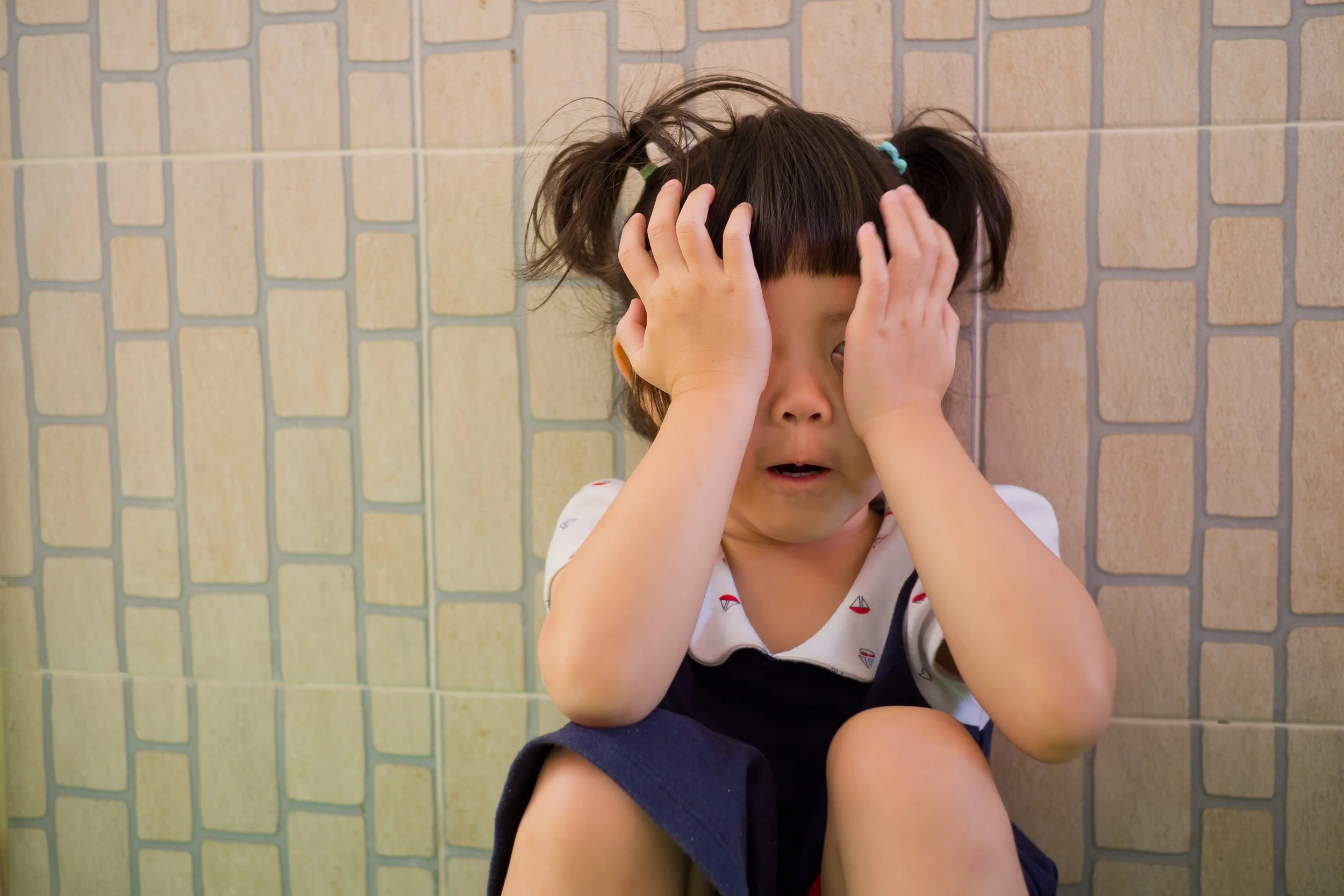
Negative Self-Talk: Why it happens and what you can do
“I am so stupid.”
“Nobody likes me.”
“You hate me. You don’t want me in this family.”
Children making negative proclamations about themselves is no doubt very distressing and disturbing. It is painful to think about your child feeling badly about himself. Of all the challenges parents face in trying their best to understand and support their children's development, this one causes the most distress and worry, understandably.
It is also a very complex phenomenon that can be hard to fully comprehend, because we can't be in our children's brains and know exactly why they are saying something so alarming—what they are experiencing and trying to communicate.
It is important to keep in mind that in these moments, children rarely mean exactly what they say. They are in a highly-charged state, flooded with big emotions that are difficult to experience and process. What they are actually struggling with may not be readily apparent to us OR to them. But it’s important that we seek to understand the underlying issues at play, and, most importantly, what our child needs in order to work through the distress the proclamations represent.
This requires us to manage our own anxiety in these moments. Big reactions from us can overwhelm children and shut them down. Staying calm, and reminding yourself that your child feeling safe to share his deepest feelings with you is a gift, will enable you to be present for your child in the way he needs you to be. It will also help you tune in to what he is communicating and what need he may be trying to fulfill through these distressing statements, and respond in the most sensitive way to help your child work through these difficult feelings and experiences—the ultimate goal.
WHY CHILDREN ENGAGE IN NEGATIVE SELF-TALK

Why NOT to Force Your Child to Make Eye Contact
One of the greatest challenges in parenting is that strategies that make total sense from your adult perspective and that are intended to be helpful to your child are not perceived that way and so backfire. Forcing/demanding children make eye contact when you are talking to them is one of these paradoxes. It feels impolite/rude/disrespectful not to look you in the eye when you are trying to communicate with your child. Or, you fear that not making eye contact means your child is tuning you out and won't take in the information you are trying to communicate to him.
The problem is that often the reason children avoid eye contact is because they are trying to protect themselves from uncomfortable feelings. These are often situations in which you are giving your child a direction or correction which you intend as being helpful but which he experiences as criticism; that he didn't do something right and feels ashamed about it. Looking you in the eye in these moments feels overwhelming. So forcing or demanding he do so only increases his stress and makes it more likely he will get further dysregulated (laugh, become silly, run or turn away), or just shut down. (My most productive conversations with my son were when he was bouncing a basketball. My initial reaction was, "Put that ball down and look at me when I talk am talking to you", but then realized that bouncing the ball was soothing to him and made it more likely he would process what I was trying to communicate.)

4 Key Insights and Strategies for Responding to Big Reactors
If you have a big reactor, manage your expectations. In recent weeks I have been hearing a common theme from parents: they feel they are doing something wrong and failing because they can't seem to prevent their children's epic meltdowns. They are doing all the "right" things that they have read about: validating emotions and offering calming tools like deep-belly breathing and bear hugs. Not only aren't these tools working, in many cases, anything they try seems to escalate, not reduce, their children's distress. These parents feel like total failures. At the same time they are very concerned about what seems to be such outsized reactions from their children.

When Going Home for the Holidays Is More Stressful Than Joyful
As the holidays are swiftly upon us, many parents I work with are feeling very anxious, not excited, about getting together with their families. For most of these moms and dads, their trepidation is because they have children who are big reactors and/or are slow-to-warm-up by nature:
They have trouble with transitions.
They crave predictability and don’t like change. They want to stay in their comfort-zone and have a hard time adapting in new situations.
They are especially overwhelmed by large group gatherings.
This trifecta can result in a range of challenging behaviors: children may retreat and resist participating; or, they get revved up and reactive and melt down on a dime. Both of these scenarios are very stressful for parents. They are embarrassed by their children's behavior, especially when there are nieces and nephews around who are outgoing, angels—charming and compliant. The comparisons, even if not voiced aloud, are palpable; for example, when their sister's kid is eagerly recounting for grandma and grandpa all the fun things she's doing at school while your child is under the table, moping. These parents feel judged and misunderstood: that they have a bad kid and are bad parents who don't know how to control their children.
Understandably, parents go into these situations with a heavy dose of anticipatory stress. Their sensitive, big reactors pick up on their tension which begets more of the challenging behaviors. Add to this the radar these kids have for sensing that others in the family are having negative feelings about them, and, in short, it's a sh*t show.
Tips for reducing the stress of family get-togethers

Feelings Are Not The Problem: How to help children learn to manage ALL their emotions
We love our children so deeply and what we want most is for them to be happy. So when they share difficult or uncomfortable feelings, our typical knee-jerk reaction is to try to change their feelings by minimizing or talking them out of their emotions: "Don't say you're stupid! You are the smartest kid I know."
This impulse is so strong because at a cellular level, it feels like it’s harmful to our children to feel sad, angry, jealous, or insecure. They tell us they don't want to go to a new school so we jump in to explain all the ways it is going to be so much more awesome than their old school. They express worry about going to swim class so we quickly counter that there is nothing to be scared of.
Or, we are uncomfortable with emotions that seem "mean" or "wrong". "You don't really want the baby to go back to the hospital! You love your little brother."
Whatever the trigger, we just want to make the uncomfortable feelings (for them and us) go away. We fear that acknowledging them amplifies them. But ignoring or minimizing feelings doesn’t make them magically disappear. In fact, without a healthy opportunity for expression, feelings get acted-out which can lead to more, not less stress for your child…and you. They say they have a belly ache and can’t go to school. They refuse to get in the pool at swim lessons.
Further, when children don't get their feelings validated, they up the ante to be heard. Five-year-old Remi announces that she thinks her drawing is ugly. Her mom replies: "But I love your drawing, it's beautiful!" Remi's response: "You don't know anything about art. This is a terrible picture", and proceeds to rip it to shreds.
The major mindshift to make is that feelings are not harmful to children. Sadness and joy, anger and love, pride and self-doubt, jealousy and empathy can coexist and are all part of the complex collection of emotions that makes us human. Our job is not to rid or protect our children from their difficult emotions (which is actually not possible), it is to help them understand and effectively cope with ALL of their feelings. Shutting down the process is a missed opportunity to help children make sense of, not fear, their feelings. What kids need when they are distressed is precisely what we need in these moments: someone who listens, accepts our feelings, doesn't judge, and doesn't tell us what to do or try to make it all better. Someone who can sit with our uncomfortable feelings and trust that we have the capacity to work them through, with their support.
When we avoid or minimize our children’s feelings, we interfere in this process. We send the message that we are uncomfortable with their difficult emotions and don't want to hear about them. This makes it less likely children will share their feelings with us, depriving them of a chance to express and work them through.
Consider the following story:

Understanding and Supporting Highly Sensitive Children (HSC)
Our five-year-old, Gabriel, is a very bright, funny, charming little guy. But he still has a lot of tantrums, which we thought would be over by this age. He reacts very poorly to consequences. He will get very threatening and aggressive physically and verbally: slamming doors, hitting, and lashing out verbally. We are constantly negotiating with limit setting. When we hold to the limit, he will escalate and sometimes will have very intense tantrums that can last over 30 minutes. When he is happy, he is the most delightful child. But the second something doesn’t happen exactly how or when he wants it, he is explosive. We are totally exhausted.
Gabriel is also very sensitive and self-conscious. He is easily offended. He doesn’t like people focusing attention on him or looking at him. Every single performance he has participated in he turns his back away from the audience. He is also a perfectionist and will be very self-critical when he doesn’t do things perfectly.
Gabriel feels rejected easily. For example, the other day I was giving his little sister a piggyback ride down the stairs in the morning. He went under his covers and started screaming all sorts of inflammatory and threatening things. When I try to talk to him about these incidents, he covers his ears. If we try to ignore his inappropriate language, he will just escalate. He eventually calms down and feels badly about his behavior. When we process it once the explosion is over, he will say things like “I push people away, like Elsa (of Frozen).” Or, “My brain is so out of control…I don’t know why I stay so mad.”
Most parents who seek my services have a Gabriel (to varying degrees) in their family. Whether the motivation to make that first call to me is for a challenge with tantrums, aggressive behavior, power struggles, sleep, or potty training, the common denominator is that their child is highly sensitive (HS) by nature, also known as temperament.
Temperament is a child’s way of approaching the world—the “why” that explains the meaning of his behavior. Temperament is something we are all born with, not something children choose or that parents create. It influences the way we process our experiences in the world. It is why some children jump right into new situations and others are anxious and need time to warm up to the unfamiliar. It is why some children go-with-the-flow and weather life’s ups and downs with ease and others have big reactions to seemingly minor events. It is also why siblings can be so different. They share DNA and grow up in the same family, but their reactions to the very same experiences—a move, a loss, their parents’ approach to discipline—may be vastly different based on their temperament.
The reason HS children tend to experience more challenges is because they are wired to register their feelings and experiences in the world more deeply than other children. Parents often describe their HS children as being either ecstatic or enraged—with no middle register. They are sometimes referred to as “orchids”[1] because they are affected by and reactive to even minor changes in their environment. They are more vulnerable than the kids we call “dandelions” who go with the flow and thrive even in challenging circumstances (and make their parents looks so good!)
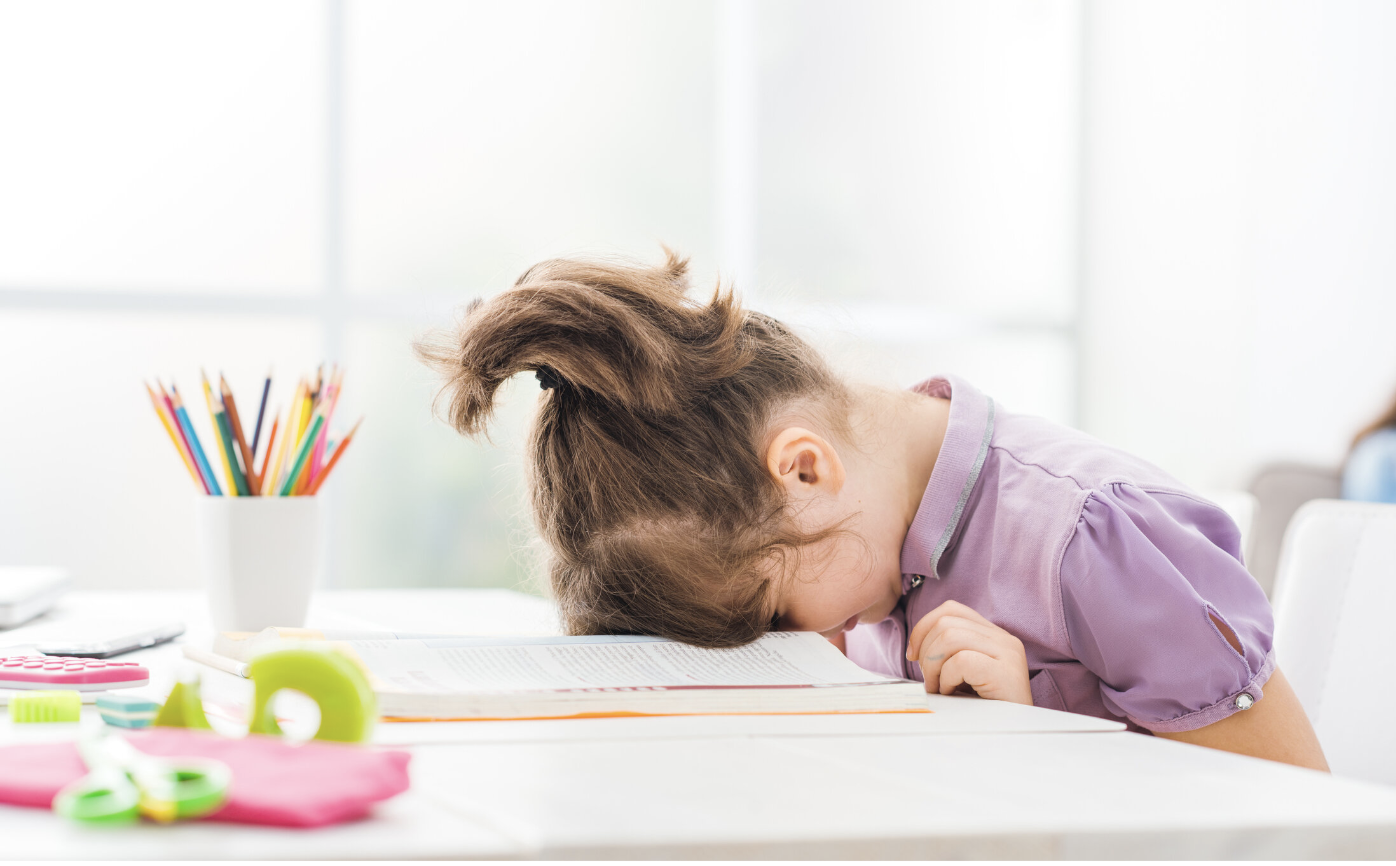
Sore Losers: How to help them cope with competition
Leo is the worst sore loser. We can't play any family games because he goes nuts if he doesn't win. Even though he's great at soccer and makes a lot of goals, the second someone blocks one of his attempts to get the ball into the net he starts screaming that it's unfair and storms off the field. It's embarrassing and I worry about how other kids see him and if they are going to want to stop playing with him.
Being a perfectionist and having a very low tolerance for losing go hand-in-hand and makes competitive activities especially stressful for kids who struggle with these issues. To cope and protect themselves from the discomfort and shame that gets triggered when they lose, highly sensitive (HS) kids try to manipulate the game to win (aka "cheat") or they get angry and quit. In a time long ago, before COVID, I was playing Connect Four with five-year-old Lucy on a home visit. She made the first move. When it was my turn, I dropped my piece into the slot next to hers—the obvious move. Lucy immediately got revved up and explained, “No, Ms. Claire, I tell you where you can put your pieces.”
What you can do:

How to Build resilience in Children who have a low Tolerance for Frustration
Lucas (4) just got a new scooter which he has wanted for a very long time. He hops on it, but as soon as he has trouble balancing, he tosses it to the ground. He pronounces that he hates scooters, that he really never wanted one, and runs inside.
Highly sensitive (HS) children tend to experience more distress and give up more easily when they confront a challenging task or can’t master a new skill right away. The root cause, once again, is the vulnerability and loss of control that gets triggered very quickly in these kids. HS children need more support to build resilience—to see that they can muscle through challenges.
What you can do:

How to Support Children Who Struggle with Self-Consciousness and Feel More Easily Slighted
Talia (4) hates when we talk about her, even if we are praising her, like telling her what a good job she has done or describing one of her accomplishments to grandpa.
Highly sensitive (HS) children are more keenly focused on how other’s see them. Like Gabriel, whom you met in a previous blog on HS kids, who refused to participate in any class performances; and, Jonah, who didn’t want the kids or teacher in the swim class to look at him. They get very uncomfortable when any attention is called to them, even when parents or other adults are saying complimentary things. It feels overwhelming to be under any kind of scrutiny.
What you can do:
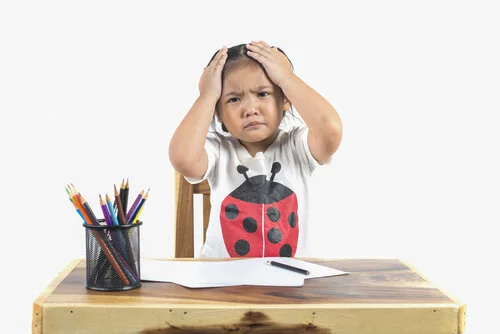
Highly Sensitive Children: Perfectionists
Gabriel (6) and I were working on writing letters together. When he couldn’t make his “O” look exactly like mine, he had a total meltdown. The more I tried to tell him what a good job he was doing, the more agitated he became.
When Serena (5) messes something up, her reaction is very disproportionate and she is incredibly hard on herself - saying she will never draw again, tearing up the paper, crying, hitting herself on the head, throwing herself on the floor. We try to model losing/not being perfect and taking it in stride - we emphasize that, but it doesn't seem to help.
Highly sensitive (HS) children have a tendency to be perfectionists. When they can’t do something exactly as their brain is telling them it should be, they experience it as a loss of control which is very uncomfortable and hard to tolerate. Hence, the meltdowns. This can be very frustrating for parents who see the irrationality in their children’s thinking but find that using logic to help them be more self-accepting backfires.
What you can do: