
Lerner Child Development Blog
Blogs By Categories
- All Most Popular
- All Most Popular Blogs
- Anxiety
- Big Reactors
- Blogs
- Building Resilience
- Challenging behaviors
- Cooperation
- Emotional Regulation
- Food Challenges
- Highly Sensitive Children
- Limit-Setting With Love
- Low Frustration Tolerance
- Mealtime
- No Power Struggles
- Parental Self Awareness
- Parental Self Regulation
- Physical Aggression
- Positive Discipline
- Potty Learning
- Regression
- School Related Issues
- School challenges
- Separation and Divorce
- Sibling Issues
- Sleep
- Social challenges
- Social emotional development
- challenging behaviors
- food
- lying
- masking
- mealtime
- parenting self-awareness
- positive parenting
- separation anxiety
- sleep
- social emotional development
- stress
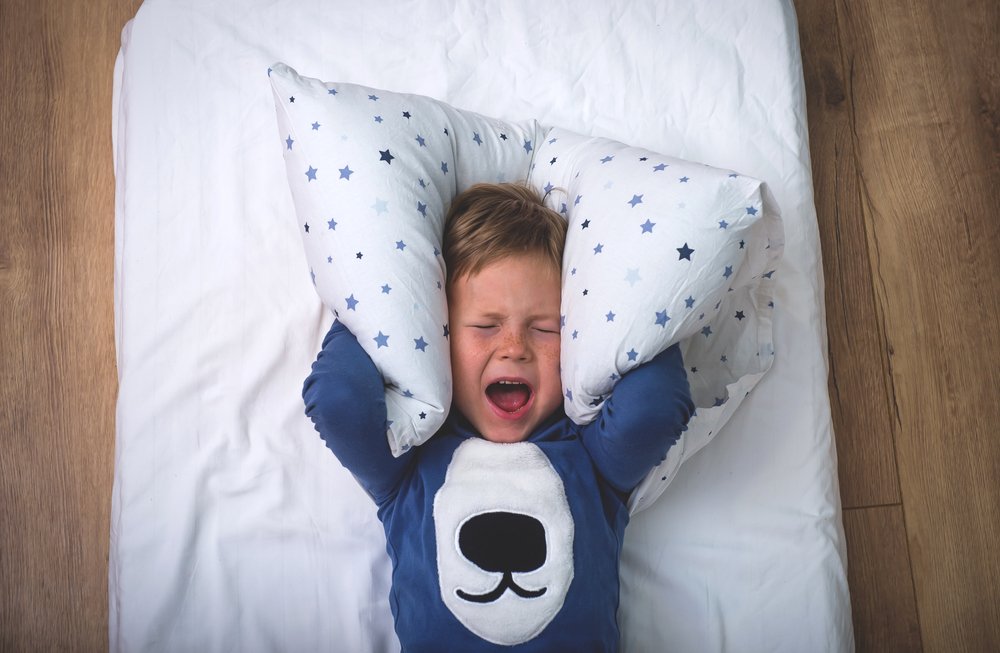

The Beauty of Boundaries at Bedtime: When securing a door is loving, not harmful
In any given week, I consult with multiple families who are ensconced in battles with their children around bedtime. This includes children running out of their rooms repeatedly after lights out, which sometimes lasts for hours. Parents are exhausted and angry with their kids for causing so much stress. The bedtime routine that should be full of cuddles and connection has become fraught with tumult and tension.
Few (if any) children happily send their parents off at bedtime. Most want to extend their time with you as long as possible to forestall a separation from the people they love the most. Can you blame them? That’s why setting and enforcing limits is almost always necessary for establishing healthy sleep habits. Remember: what children want isn’t always what they need.
Which brings me to a not-so-tiny victory I want to share because it has to do with putting in place a boundary that many parents I talk to are very uncomfortable with: securing a bedroom door closed, which, at a cellular level, feels harsh and harmful.
I hope this story will help you see that setting a clear boundary at bedtime is loving, not mean or neglectful. (All names changed to protect the innocent.)

How to Help Kids Who Wake Up on the Wrong Side of the Bed
A spate of parents have recently sought my help for how to deal with their kids who wake up super cranky, both in the mornings and after naps. The minute mom or dad enters their child’s room, she is shouting at them to go away. Then, as soon as they leave, she is screaming for them to come back. This cycle can continue for half an hour. The more they try to coax or cajole their child into a better mood, the more irritable she becomes. Once parents have forced their cranky child out of bed, the morning is fraught with incessant whining and turns into a cascade of breakdowns about seemingly minor issues.
While this is the last thing you need when you are trying to get a positive start to your day, it’s important to keep in mind that your child is not making mornings miserable on purpose. Some children (and adults) have a harder time making what are called “state changes”: going from awake to asleep and asleep to awake. Their bodies are more reactive. These physiological transitions are uncomfortable for them. It takes them more time to settle their bodies to sleep and feel clear-headed and calm upon awakening.
Here are some strategies families have found useful for helping their children adjust to the new day in a loving way:

Securing Sleep: Key Principles for Helping Your Child Become a Good Sleeper
Nine-month-old Lilah, previously a great sleeper, has started to protest when her mom puts her down to sleep. She wakes up multiple times at night. She won’t fall back to sleep unless she gets a bottle that she scarfs down.
Three-year-old Amir insists on an endless litany of demands at bedtime—2, then 3, then 4 more books, placing his cars in a specific order on his shelf, getting his blankets on “just right”. Even when his parents acquiesce, it’s never enough. He still flips out when they say they are leaving and it’s time for him to go to sleep. When they finally put a monkey lock on Amir’s door to keep him from leaving his room after lights-out, he gets them in the jugular by shouting things like: “It’s illegal to ignore your child!”
Sleep challenges come in all shapes and sizes. And, like most childrearing challenges, a one-size-fits-all approach to help children become good sleepers does not exist. Every child and family is different. The underlying cause of the trouble can vary significantly from one scenario to another. One child struggles with separation anxiety; another tests limits; another doesn’t know how to fall asleep on his own. That’s why general prescriptions don’t work. In fact, they can lead to more frustration for parents when the suggested plan does not feel comfortable for them or doesn’t work for their child. Instead, what I have found most useful is to provide parents with a set of guiding principles to develop their own path to help their child (and themselves!) get a good night’s sleep. These are not solutions to specific sleep challenges, but rather overarching strategies and mindset shifts that empower you to come up with an approach that meets your child’s and family’s needs.
Guiding Principles
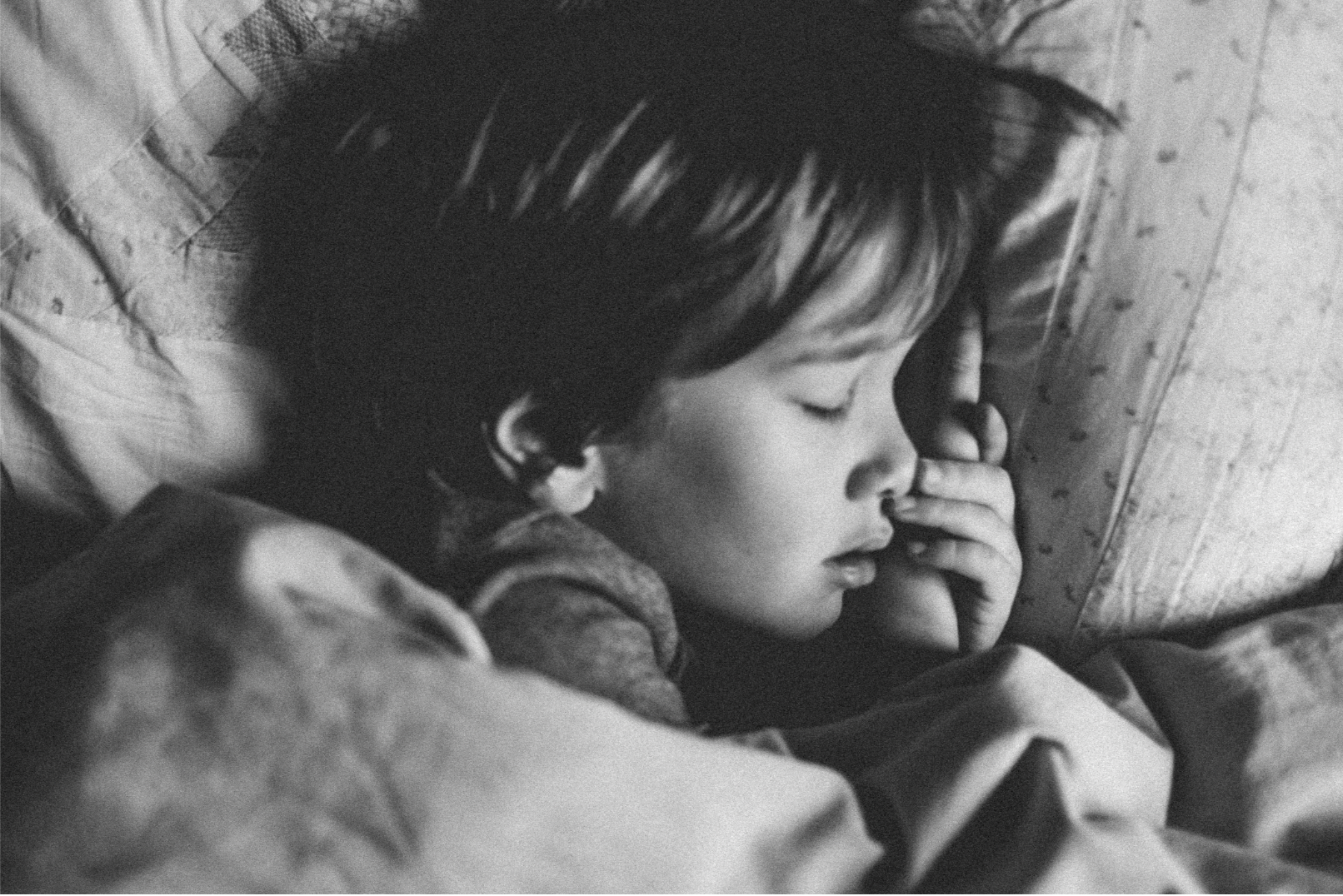
Goodnight, Sleep Tight: How to help young children cope with nighttime fears
My 3 1/2 -year-old has started to get up in the middle of the night after saying he had a bad dream. He comes into our room and wants to sleep with us. We’ve been able to get him back into his bed, but he won’t let us leave until he falls back to sleep. Some nights that can take over an hour, and he often gets up multiple times in a night. No one is getting enough sleep and we are all very cranky. We want to be sensitive to his fears but at the same time help everyone get more sleep.
This is a very common phenomenon starting at around 3 years, as this is the age at which children’s imaginations really start to take off. At the same time, they don’t have a very firm grasp on the difference between fantasy and reality. This translates into the development of fears: the monster from the book may appear in their bedroom; the snake in the TV show about animals might climb through their window. Naturally, these fears are more likely to emerge at night when the lights are off and children are alone. Understandably, most parents feel it would be harmful to leave a child when she is frightened.
But this is one of those parenting moments when what is best for the child is not necessarily consistent with our impulses; when the most effective strategy, in this case, for helping a child learn to cope with her fears, is counter-intuitive. We think that staying with children until they fall back to sleep is the best and most loving thing to do. But in fact, allowing a child to sleep in your bed or staying with her until she falls back to sleep after having a bad dream, inadvertently confirms your child’s belief that there is really something to be afraid of and that she is only okay if you are with her; that she is not safe on her own.
The only way children (or any of us) get over their fears is by living through them and experiencing that the fears are unfounded. For example, when a child finally goes down the big slide he was terrified of and sees that he survived; or, when a child makes it through and thrives by the end of the first week of preschool after screaming for dear life not to be left in this strange, scary place. At nighttime the same rules apply: your child needs to experience that the fears in his head are not real and that he is okay on his own. He doesn’t need you to be with him to be safe. We don’t want to set kids up to think that they can’t handle these feelings and that they can only cope if you are with them, which will not always be the case. We want to empower them with the tools and confidence to master these fears. This is very important to keep in mind, because if you think that you are hurting your child by not physically being with him as he works through his fears, it will be very difficult to follow through with any plan that entails setting some limits and boundaries around sleep. Note that research shows that allowing children to learn to sleep on their own is growth-promoting (“positive stress”) and not harmful. (Here is a good piece on myths/facts about sleep training.)
The other factor to keep in mind is that young children are very clever. They quickly put two and two together: saying they had a bad dream results in a lot of attention in the middle of night and often lands them a spot in their parents’ bed. This can take on a life of its own and lead to major sleep deprivation for parent and child which has its own set of negative consequences.
The following strategies can be helpful in making a plan for how to deal with middle-of-the-night wakings: