
Lerner Child Development Blog
Blogs By Categories
- All Most Popular
- All Most Popular Blogs
- Anxiety
- Big Reactors
- Blogs
- Building Resilience
- Challenging behaviors
- Cooperation
- Emotional Regulation
- Food Challenges
- Highly Sensitive Children
- Limit-Setting With Love
- Low Frustration Tolerance
- Mealtime
- No Power Struggles
- Parental Self Awareness
- Parental Self Regulation
- Physical Aggression
- Positive Discipline
- Potty Learning
- Regression
- School Related Issues
- School challenges
- Separation and Divorce
- Sibling Issues
- Sleep
- Social challenges
- Social emotional development
- challenging behaviors
- food
- lying
- masking
- mealtime
- parenting self-awareness
- positive parenting
- separation anxiety
- sleep
- social emotional development
- stress


The Key Steps to Solving Childrearing Challenges: My process revealed
When I’m working with a family to solve their childrearing challenge(s), I guide parents through a process that helps us come up with sensitive effective strategies that empower them to be the loving, connected mom/dad they want to be while setting the clear limits and boundaries that help their kids:
learn to manage their big feelings and self-regulate; to be flexible when things don’t happen the way they want or expect
get through daily tasks and transitions without power struggles
adapt to new situations and challenges
rise to age-appropriate expectations
My goal is for parents to be able to internalize this process and use it to solve the myriad challenges that arise as part of parenting.
My ultimate goal is for parents to internalize this process so they can apply it to solve the myriad challenges that arise as part of parenting.
I hope this process will be helpful to you, too.
1. Be sure the expectation is age- and situation- appropriate. For example: having a 3 yo bring their dishes to the sink after a meal; a 4 yo dressing themselves; a 5 yo being dropped off at an activity without their parent staying.
Establishing accurate expectations is critical because when they are too high, kids and parents are set up for failure; for example, expecting a 3 yo to sit quietly for an hour in church; a 4 yo to manage transitions without advance notice; or, a slow-to-warm 5 yo to run happily into a new Kindergarten class without hesitation.
If the expectation is too low, we are enabling kids, not helping them develop the skills that build confidence and self-esteem. For example, letting a 4 yo be in diapers during the day because they prefer them to using the toilet; or letting a 7 yo quit a fortifying activity they typically enjoy because they can’t tolerate not always being first or the best.
Keep in mind that when establishing expectations, context matters. Your 5 yo might be fully capable of hanging their backpack up and emptying their lunch box, but not the second they arrive home from school because they are fried after a long day. In this situation, an appropriate expectation might be to give them time to chill and refuel with a snack, snuggles, playtime, or screen time for, say, 30 minutes, before expecting them to do these jobs.
2. Identify the root cause of the problem. This helps us come up with the most sensitive and effective strategies because we are addressing the underlying issue at play, not just the behavior.
A 4 yo who insists on wearing diapers is struggling with still wanting to be a baby, especially if there is a new brother/sister in the family. They demand their parents do things for them that they are perfectly capable of doing themselves because they have associated this kind of caregiving with love and attention.
A child who avoids situations that involve competition struggles with fear of failure and is quick to shame.
A child who is inflexible and makes irrational demands feels overwhelmed on the inside so tries to control everything on the outside, as a coping mechanism.
A child who demands her parent stay at a birthday party or activity when it’s supposed to be a drop-off event is struggling with separation anxiety. She doesn’t feel safe unless a parent is present.
3. Ascertain what the child needs versus what they want.
A child might want a parent to do their age-appropriate, self-care tasks for them. What they need is the chance to experience that they are competent and capable, and to see that loving and caring can and will happen, even when they take on bigger kid responsibilities.
A child may want to quit a team to avoid the discomfort of not always being the best. What they need is the chance to muscle through so they can experience their ability to enjoy being part of a team and learn to tolerate imperfection.
A child might want to bend the world to their will—to always feel in control. What they need is to learn to manage when they can’t have what they want exactly the way they want or expect—to build the flexibility and resilience necessary to get along well in the world.
A child might want to cling to their parent at a birthday party of activity, and not let them leave. (But is fine being dropped off at activities when it’s the nanny or grandparent who takes them!) What they need is to see that they can feel safe and enjoy the activity with their friends, without their parents’ presence. (A sign of secure attachment.)
4. Identify what is in the parents’ control to help their child move through a difficult situation, to effect change, that doesn’t rely on the child’s cooperation. Aka, not trying to change the child, but changing the situation.
Instead of bribing, rewarding, threatening, cajoling, nagging, or trying to convince their child to do the thing, a parent might:
No longer dress a child who can do this task themselves and let them go to school in what they’re wearing when it’s time to leave. They pack a set of clothes in their child’s school bag so they can change whenever they choose.
Tell their child that going to the activity they’re avoiding is a “have-to”—that’s a mommy/daddy decision, not a kid decision.
Not changing the breakfast menu, even when their child demands a different option.
Not stay with their child at the birthday party or activity. (Of course, leaving them in good hands with the caregiver in charge.)
5. Establish ways parents can support their children; what tools will help them manage the difficult situation or new limit/expectation.
For the child who refuses to dress themselves, the parent might:
Tell the child in advance what the plan is going to be so they know what to expect.
Give them a “practice week” before setting the new limit, during which the child has lots of opportunities to practice putting their clothes on.
Explain that when they dress themselves, it saves time so mom/dad can read a book before they leave for school.
In the morning, use a visual timer so they can track how much time they have before leaving for school in case they decide they want to get dressed at some point.
For the child who will still be going to the activity they want to quit, the parent might:
Acknowledge and show compassion for their discomfort with not being the best, making the most goals, etc. Explore and normalize these feelings that we all have to learn to cope with.
Watch videos of prominent athletes struggling in a game or working to build their skills to show their child they are not alone—nobody’s perfect.
Be clear that while whether or not to go to an activity is a parent decision, once there, it’s up to them (the child) to choose how/whether to participate. (Often, the more parents try to convince kids to join in, the less likely they are to do so.)
For the child who demands a breakfast option that’s not on the menu, the parent might:
The night before, go over exactly what to expect for breakfast the next day.
Be sure to include options the child typically likes (knowing that while just last week they loved oatmeal, they may proclaim it’s disgusting just a few days later.)
When the child protests and threatens not to eat, acknowledge their displeasure and not try to get them to change their mind. (That’s just fodder for a fight.) Let them know that it’s their body and they get to choose which of the offerings and how much to eat. If they choose to partake, their bodies are likely to feel more comfortable than if they choose not to eat. But that’s up to them.
Most importantly, tolerate their upset.
For the child who begs a parent to stay at a party/activity with them, when they are old enough and capable enough to go on their own, a parent might:
Prepare them for what to expect. Acknowledge their protest/displeasure at your plan not to stay.
Talk with them about their worry versus thinking brain. (See additional resources below)
Help them think through what to expect at the activity and what coping tools they can use.
Follow through with the plan to give their child a chance to see that they can survive and even thrive without mom or dad present—to build that secure attachment, increase their child’s confidence, and create an opportunity for the child to build stronger social skills.
See the Process in Action: A case from my new book, Big Reactors: Practical Strategies for Parenting Highly Sensitive Children

Separation Anxiety: The Surprising Strategy That Relieves Stress
The cases I choose to share in my blog are often those that reveal how conventional or popular parenting advice doesn’t work or even backfires for some kids, especially those that are highly sensitive, “big reactors.”
So many families who seek my consultation are frustrated and in despair when the strategies and approaches that profess to be the loving (“gentle”) and effective way to respond to a child in difficult moments don’t work for their child and family.
Today’s case addresses what to do when a child is experiencing significant separation anxiety.
Lyndsey and Mark sought my consultation because they are concerned about the intense anxiety their daughter, Sasha (5), is experiencing when separated from them.
Lyndsey explained:
“Sasha (5) is a wonderful, bright, curious, deeply emotional and empathetic child with very big feelings and reactions since birth. Over the years, she’s learned to express and handle them pretty well. But, when she has a big fear/worry/concern/sadness, she gets really stuck in that feeling and has a hard time paying attention to anything else.
Her dad, Mark, and I divorced when Sasha was two-and-a-half. Our separation was amicable. We get along well and coparent collaboratively. Even so, Sasha has struggled with deep feelings of sadness about missing us when she can’t be with us. It’s most intense at school.
Sasha generally enjoys school—learning and playing—and when we pick her up at the end of the day, she almost always says it was great. But every morning and evening she ruminates on how much she’s going to miss us when she’s back at school. She talks almost constantly about how sad she is when she’s at school and not with us. It has taken over; it feels like all our time is spent discussing her sadness and brainstorming ways to reduce it, leaving little space for connecting joyfully.
Sasha has been in therapy since she was four. We have done everything her therapist has suggested, which is all in sync with our parenting approach. We ask about, listen to and empathize with her feelings. We help her think of strategies to try when she is missing us and sad at school (play with friends, hug a teacher, etc.) We share our own feelings of missing her and how we think about her and feel connected with her throughout the day. We have given her trinkets from our workplaces that she can have with her at school. While she seems responsive to these strategies and eager to have these discussions, none of it has reduced her looping and preoccupation. Her distress is still really, really big and very consuming for her. We don’t see any significant change.”
Audio and video Lyndsey and Mark shared of conversations with Sasha reveal that they are calm, open listeners, ask lots of questions and show great interest in Sasha’s feelings. They spend a lot of time brainstorming strategies for what would make her feel better when they are separated. In some of these discussions, Sasha is very responsive and engaged in problem-solving. Other times she is fussy and irritable, refuting and rejecting all suggestions and strategies.
Of note is that in the recordings, a specific conflict for Sasha is revealed: When Lyndsey and Mark share that they also miss her when they are separated from her—intending to show love and empathy—it makes Sasha concerned that they are suffering too. She is worried about them missing her. But when they tell her that it’s okay, she doesn’t have to be worried about them—they are strong—she responds: “If you’re not worried when you’re not with me, it means you don’t love me.” It seems that she has confused love with worry—that if you’re not feeling sad or worried when separated from someone, it means you don’t love them.
The Insights
It’s to be expected that a child will experience deep sadness and confusion about a parental separation. They need validation of and compassion for their feelings, and lots of opportunities to work through these emotions and to make sense of their experiences.
They also need security, stability and predictability—to know what to expect day-to-day: where they will be, who will be caring for them, etc.
And they need parents who communicate mutual respect and (ideally) warmth, who don’t “triangulate” the child—put them in the middle of a loyalty conflict. They don’t pit the child against the other, fight over the child or bad mouth each other (especially in front of them).
This is exactly how Lyndsey and Mark have handled the divorce, with incredible sensitivity and respect for each other and for Sasha.
What might help Sasha work through the separation anxiety?
After processing Lyndsey’s and Mark’s report and reviewing the audio/video, my strong sense is that, as counterintuitive as it might seem, it’s too much.
What seems loving and sensitive and “right” in theory—processing her feelings for long periods and brainstorming solutions—is actually not what Sasha needs or what will help her work through the separation anxiety. It’s intensifying her rumination—the “looping”—repetitively thinking about the same distressing thoughts without moving toward resolution. It’s keeping her stuck in the feelings in a way that isn’t healthy.
When I share this insight with Lyndsey and Mark, it resonates. Knowing Sasha as they do, they can see that the incessant discussion about her missing them is only exacerbating her distress, not alleviating it. They know that the goal is to help Sasha develop an internalized sense of security—that even though mom and dad live separately, she is close and connected to them, that they are still there for her even when they’re physically apart. Living in this constant state of stress is not healthy.
Join LCD to read about my guidance and strategies that worked…

Positive Discomfort Part 2: Working with schools to help kids get through tasks and transitions
This article is the second in a series on “Positive Discomfort," the concept that the stress kids experience when facing a challenge is not something to be feared or avoided, but to be expected and embraced. It is muscling through the difficulty or fear that builds skills, competence, resilience and perseverance—attributes we all want for our children. It requires the adults who are supporting children to have high expectations with high support. (Check out Part One.)
In this follow up, I tell the story of my work with one family that involved collaboration with the child’s school, so you can see the positive changes that can be made when all the adults in the child's world work together to help them overcome their fears and their resistance to transition and change.

Positive Discomfort: The stress of learning something new or facing a challenge is helpful, not harmful
This blog was inspired by the response to a video I posted on Instagram that went viral. In three days, it has more than 850K views and thousands of likes and shares. The video (which I encourage you to watch—it's a gem) was made by a very close friend who was watching her adorable 7-month-old grandson and caught him making his first attempts at crawling. I asked for permission to share it because it is such a powerful illustration of “positive discomfort," my new favorite concept because it so perfectly captures a critical mindshift: that the discomfort kids experience when facing a challenge is not something to be feared or avoided, but to be expected and embraced. It is muscling through the difficulty or fear that builds skills, competence, resilience and perseverance—attributes we all want for our children.
In the video, even as the baby is making progress, he is crying and at one point collapses, putting his head in his hands as if he just can't go on. But my friend/grandma doesn't swoop in to pick him and comfort him—the knee-jerk reaction most of us might have at seeing our children in distress. Instead, she remains a calm and supportive presence with her tone and words, communicating to him that she believes he can muscle through. And he does! He calms, gets back on all fours, smiles, and perseveres. Had grandma picked him up, that beautiful moment of triumph would have been thwarted. The message to this clearly competent guy would have been that she didn’t believe he had it in him to keep trying and prevail.
To give credit where due, I discovered "positive discomfort" in an article in the Washington Post, "A Winning Mix: High standards, high support," about the approach Emma Hayes, the US Women's Soccer Coach, takes to support her players. The article includes research by David Yeager, a developmental psychologist at the University of Texas at Austin who explains: "Intense stressors are a normal part of performing well, of learning, growing and developing new skills...Our stress response — what’s happening in our bodies and minds when we experience a stressful situation — prepares us to take action....When the mind expects to meet the challenge, breathing increases to send more oxygen to the blood, the heart pumps faster and blood vasculature dilates to spread the blood to the muscles and brain. Motivation and performance go up. The opposite happens when a threat is viewed as insurmountable and the body moves to protect itself. In such cases, the heart may pump fast, but blood vasculature constricts, keeping blood central in the chest cavity, essentially preparing for upcoming defeat."
In short, it's all about expectations and mindset. When we see challenges through a positive lens, as opportunities for growth and learning that will take hard work to master, we are much more likely to persevere and succeed. The way we instill this mindset in our kids is by holding high expectations while giving them the tools and support they need to stay the course, which is exactly what these stories from the parenting trenches show.

How To Help Avoidant Kids Take on Challenges And Work Through Fears
Jacob (6) loves swimming and joins a swim team that he is really enjoying. Then he has a series of illnesses that keep him out of this activity for over a month, after which he starts refusing to go to practices. When his parents ask why, he says he doesn't like swimming anymore—that it is "stupid”—which is perplexing and worrying to them. They know how fortifying this activity is for Jacob and that giving it up would be a real loss.
Accordingly, they respond: "But you love swimming, and are great at it! Why would you stop going?" They also start cheerleading—encouraging him and offering rewards if he agrees to return. Jacob only digs in his heels further. He refutes all of their talking points and doubles down on his position that he is quitting swimming.
This is a very common response from kids when parents try to convince them to keep at something they are anxious about. While you intend/hope it will be motivating, it can backfire, especially for highly sensitive kids who are very tuned into the underlying motives of their parents. They are already coping with difficult feelings about the situation. When they sense that you are disappointed or unhappy with their non-participation—when they won't jump into the pool to join the class with the other kids, or when they resist joining in the scrum at the birthday—it adds to their stress and makes it less likely they will feel confident to persevere through the challenge.
When we meet, Jacob's parents are feeling very distressed that their son is giving up something that was so important and healthy for him, and feel helpless to get him to change his mind. They are particularly concerned because this is a pattern for Jacob. He tends to give up easily and avoid things that are hard or that he isn't perfect at. His parents worry that he is missing out on important experiences that could potentially bring him a lot of pleasure.

5 Ways to Help a Hesitant Child Try New Things
Having a child who is slow-to-warm-up and hesitant to try new things can be very challenging for parents. It triggers your own anxiety—especially if you are more extroverted by nature and admire kids who are "go-getters."
A common reaction is to act as a cheerleader to convince your child he can do it. You know that your child would love soccer but he resists participating, so you regale him with, “But you're great at soccer. You will love the class.” Your child shows hesitation about going to school, so you try to persuade him with: “The teachers in this school are so nice. And the room has so many amazing toys. You are going to have so much fun!”
The problem is that while you have the best of intentions, trying to cajole kids to participate when they are feeling anxious often makes them feel worse. It amplifies the shame they are already experiencing about not doing the activity other kids are enjoying. This is especially true for highly sensitive children (HSC) who tend to be more self-conscious. Having attention focused on them, especially when they feel they are being evaluated or judged, can be uncomfortable and exacerbate their stress.
Also keep in mind that children (especially HSC) are very tuned into the underlying motives of their parents. They see right through you. They are keenly tuned in to what you want from them—what will make you happy. Looking at it through the lens of logic, you might think that your child would be motivated by wanting to please you and would change his behavior accordingly.
Instead, what I find is that the pressure kids experiences when they sense how invested you are in their performance is stifling, not motivating. They have to cope with the risk of disappointing you when they won't jump into the pool to join the class with the other kids, or when they resist joining in the scrum at the birthday party. It becomes a relationship issue that is fraught with tension. This makes it less likely your child will feel confident to take a risk and tackle a new challenge.
5 Steps That Support Kids To Try New Things

When Cheerleading is Paralyzing, Not Motivating, For Your Child
For many parents, having a child who is slow-to-warm-up and hesitant to try new things triggers your own anxiety—especially if you are more extroverted by nature and admire kids who are "go-getters." A common reaction is to act as a cheerleader to convince your child he can do it. You know that your child would love soccer but he resists participating, so you regale him with, “But you're great at soccer. You will love the class.” Your child shows hesitation about going to school, so you try to persuade him with: “The teachers in this school are so nice. And the room has so many amazing toys. You are going to have so much fun!”
The problem is that while you have the best of intentions, trying to cajole kids to participate when they are feeling anxious often makes them feel worse. It amplifies the shame they are already experiencing about not doing the activity other kids are enjoying. This is especially true for highly sensitive (HS) kids who tend to be more self-conscious. Having attention focused on them, especially when they feel they are being evaluated or judged, can be uncomfortable and exacerbate their stress.

How to Build resilience in Children who have a low Tolerance for Frustration
Lucas (4) just got a new scooter which he has wanted for a very long time. He hops on it, but as soon as he has trouble balancing, he tosses it to the ground. He pronounces that he hates scooters, that he really never wanted one, and runs inside.
Highly sensitive (HS) children tend to experience more distress and give up more easily when they confront a challenging task or can’t master a new skill right away. The root cause, once again, is the vulnerability and loss of control that gets triggered very quickly in these kids. HS children need more support to build resilience—to see that they can muscle through challenges.
What you can do:

Low Frustration Tolerance: What to do When Your Child Gives Up Easily
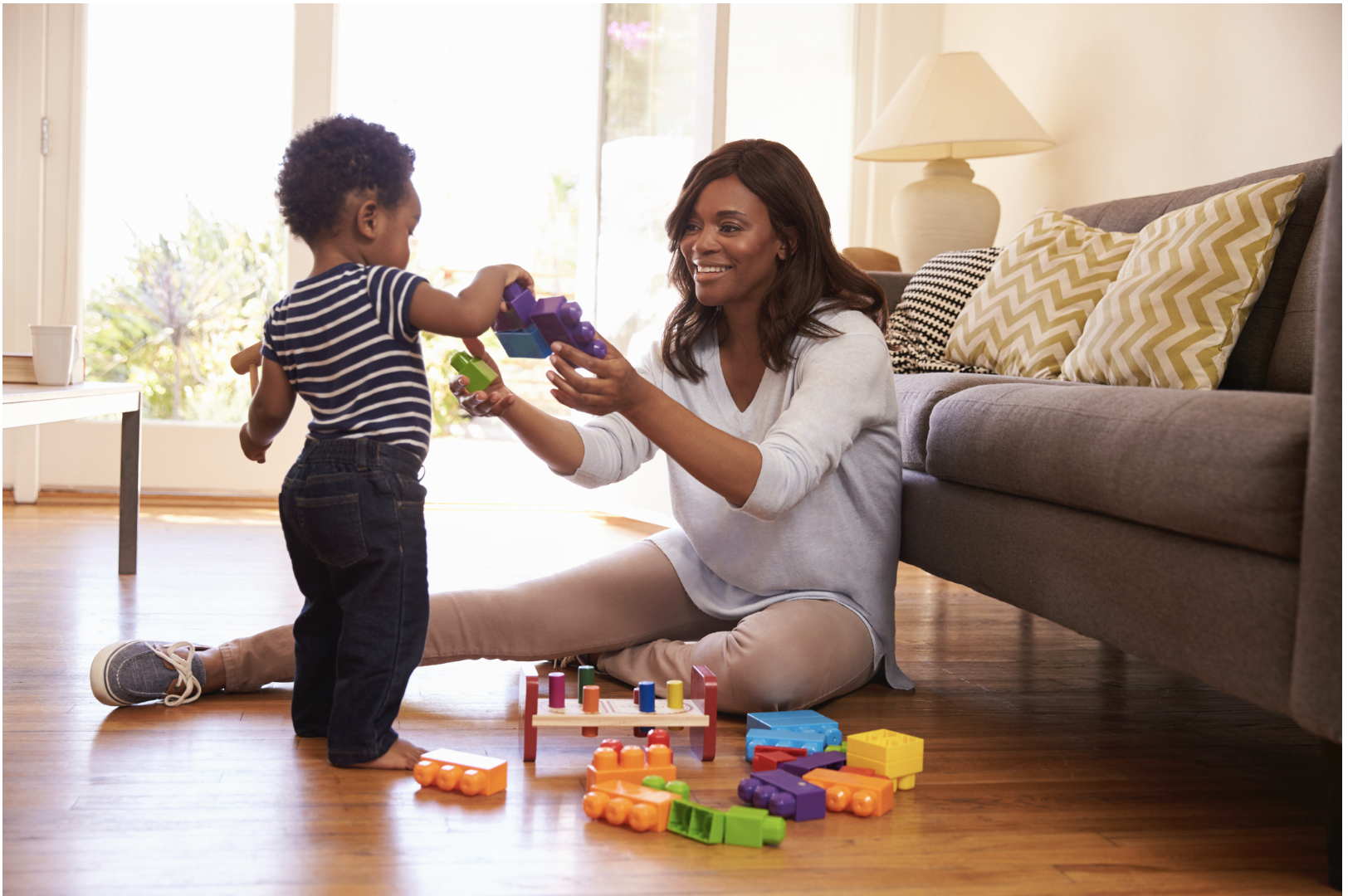
Three-year-old Marcus is trying to find where the pieces fit in a challenging puzzle. Four-year-old Ruby is working on how to keep her block tower from falling down. Omar and Zoey are looking for what they can use as superhero capes when Omar’s mom won’t let them use her scarves. These are all examples of kids hard at work solving problems.
This ability—to face a challenge and come up with effective solutions—is the key to developing resilience and is one of the most important skills for success in school, in relationships, and in navigating life. It is also an important component of building strong “executive functioning”, which is a child’s ability to manage his emotions and control his impulses so he can focus and maintain attention on the task at hand, draw on knowledge gained from past experiences, and to think creatively—to fix mistakes and try another strategy when the one he is using is not working.
You see this in real life when a child faces an obstacle, like not being able to fit the square block in the round space on the shape-sorter. Despite his frustration, he does not give up and toss the block across the room. Instead, he is able to stay calm enough to keep focusing on the task. He has done shape-sorters before and knows that he has to keep trying different spaces until he finds the correct one. Through this process of trial-and-error he successfully finds the right space for all the shapes. Solving the problem results in a powerful sense of mastery.
Here’s how you can support your child’s ability to become a master problem-solver:
Pause and Problem-solve--A Handy Tool for Helping Children Get Calm and Cope
On a recent visit to a preschool, I was working with the teachers to come up with strategies to help the children learn to become good problem-solvers. The greatest obstacle to this, the teachers noted, was helping the children remain calm when facing a challenge so they can persevere to solve a problem. They find this is especially difficult for the “big reactors” who tend to go from 0-60 in the blink of an eye. Common tactics, such as deep belly breathing, weren't working as well as the teachers would have liked. They couldn’t get the kids calm enough to even use this soothing tool.
Since I have had some success with the use of cues or mantras for children—a phrase you use repeatedly to throw a monkey-wrench into a detrimental dynamic—I decided to try a new one out with a class of four-year-olds. It is designed to help build self-regulation. I call it Pause-and-Problem-Solve, and it has proven to be quite powerful for helping children regroup in a positive way when a breakdown is brewing. In this newsletter, I share how you might use this tool to encourage your children to become good problem-solvers. Here are the key steps: