
Lerner Child Development Blog
Blogs By Categories
- ADHD
- All Most Popular
- All Most Popular Blogs
- Anxiety
- Big Reactors
- Blogs
- Building Resilience
- Challenging behaviors
- Cooperation
- Distress Tolerance
- Emotional Regulation
- Food Challenges
- Highly Sensitive Children
- Limit-Setting With Love
- Low Frustration Tolerance
- Mealtime
- Neurodiversity
- No Power Struggles
- Parental Self Awareness
- Parental Self Regulation
- Physical Aggression
- Positive Discipline
- Potty Learning
- Regression
- School Related Issues
- School challenges
- Separation and Divorce
- Sibling Issues
- Sleep
- Social challenges
- Social emotional development
- challenging behaviors
- food
- lying
- masking
- mealtime
- parenting self-awareness
- positive parenting
- separation anxiety
- sleep
- social emotional development
- stress
- victim mindset

When Kids Act Mean: Why some kids have trouble being kind and what you can do
When children boss other kids around, say hurtful things, exclude peers, and act in other unkind ways, they are not acting mean on purpose. By and large, these kids are struggling with difficult feelings of insecurity/self-doubt and anxiety. Read on to learn about how to help your child manage their difficult and complex feelings to enable them to act towards others with kindness.

Positive Discomfort Part 2: Working with schools to help kids get through tasks and transitions
This article is the second in a series on “Positive Discomfort," the concept that the stress kids experience when facing a challenge is not something to be feared or avoided, but to be expected and embraced. It is muscling through the difficulty or fear that builds skills, competence, resilience and perseverance—attributes we all want for our children. It requires the adults who are supporting children to have high expectations with high support. (Check out Part One.)
In this follow up, I tell the story of my work with one family that involved collaboration with the child’s school, so you can see the positive changes that can be made when all the adults in the child's world work together to help them overcome their fears and their resistance to transition and change.
Positive Discomfort: The stress of learning something new or facing a challenge is helpful, not harmful
This blog was inspired by the response to a video I posted on Instagram that went viral. In three days, it has more than 850K views and thousands of likes and shares. The video (which I encourage you to watch—it's a gem) was made by a very close friend who was watching her adorable 7-month-old grandson and caught him making his first attempts at crawling. I asked for permission to share it because it is such a powerful illustration of “positive discomfort," my new favorite concept because it so perfectly captures a critical mindshift: that the discomfort kids experience when facing a challenge is not something to be feared or avoided, but to be expected and embraced. It is muscling through the difficulty or fear that builds skills, competence, resilience and perseverance—attributes we all want for our children.
In the video, even as the baby is making progress, he is crying and at one point collapses, putting his head in his hands as if he just can't go on. But my friend/grandma doesn't swoop in to pick him and comfort him—the knee-jerk reaction most of us might have at seeing our children in distress. Instead, she remains a calm and supportive presence with her tone and words, communicating to him that she believes he can muscle through. And he does! He calms, gets back on all fours, smiles, and perseveres. Had grandma picked him up, that beautiful moment of triumph would have been thwarted. The message to this clearly competent guy would have been that she didn’t believe he had it in him to keep trying and prevail.
To give credit where due, I discovered "positive discomfort" in an article in the Washington Post, "A Winning Mix: High standards, high support," about the approach Emma Hayes, the US Women's Soccer Coach, takes to support her players. The article includes research by David Yeager, a developmental psychologist at the University of Texas at Austin who explains: "Intense stressors are a normal part of performing well, of learning, growing and developing new skills...Our stress response — what’s happening in our bodies and minds when we experience a stressful situation — prepares us to take action....When the mind expects to meet the challenge, breathing increases to send more oxygen to the blood, the heart pumps faster and blood vasculature dilates to spread the blood to the muscles and brain. Motivation and performance go up. The opposite happens when a threat is viewed as insurmountable and the body moves to protect itself. In such cases, the heart may pump fast, but blood vasculature constricts, keeping blood central in the chest cavity, essentially preparing for upcoming defeat."
In short, it's all about expectations and mindset. When we see challenges through a positive lens, as opportunities for growth and learning that will take hard work to master, we are much more likely to persevere and succeed. The way we instill this mindset in our kids is by holding high expectations while giving them the tools and support they need to stay the course, which is exactly what these stories from the parenting trenches show.

Your Child Needs You To Do Hard Things
"You can do hard things.” This motivational mantra (with props, I believe, to Glennon Doyle?) is one I hear invoked often when trying to get kids to muscle through challenges. But it is just as important for parents. Because, it turns out that to help our kids persist at something hard or uncomfortable, we also need to build some muscle, ourselves, as the stories below show.
These not-so-tiny victories are the result of a heavy dose of emotional regulation on the part of these moms and dads. You will see how they were able to thread that seemingly elusive needle of supporting versus enabling their children; how they found a way to be empathetic in difficult moments while not "rescuing" their children, and in so doing created powerful opportunities for them to develop greater resilience and a stronger sense of their own competence—a gift that will keep on giving.
I hope these stories will be an inspiration and will help you find your own way to support your child's healthiest functioning.

Negative Self-Talk: Why it happens and what you can do
“I am so stupid.”
“Nobody likes me.”
“You hate me. You don’t want me in this family.”
Children making negative proclamations about themselves is no doubt very distressing and disturbing. It is painful to think about your child feeling badly about himself. Of all the challenges parents face in trying their best to understand and support their children's development, this one causes the most distress and worry, understandably.
It is also a very complex phenomenon that can be hard to fully comprehend, because we can't be in our children's brains and know exactly why they are saying something so alarming—what they are experiencing and trying to communicate.
It is important to keep in mind that in these moments, children rarely mean exactly what they say. They are in a highly-charged state, flooded with big emotions that are difficult to experience and process. What they are actually struggling with may not be readily apparent to us OR to them. But it’s important that we seek to understand the underlying issues at play, and, most importantly, what our child needs in order to work through the distress the proclamations represent.
This requires us to manage our own anxiety in these moments. Big reactions from us can overwhelm children and shut them down. Staying calm, and reminding yourself that your child feeling safe to share his deepest feelings with you is a gift, will enable you to be present for your child in the way he needs you to be. It will also help you tune in to what he is communicating and what need he may be trying to fulfill through these distressing statements, and respond in the most sensitive way to help your child work through these difficult feelings and experiences—the ultimate goal.
WHY CHILDREN ENGAGE IN NEGATIVE SELF-TALK

Why NOT to Force Your Child to Make Eye Contact
One of the greatest challenges in parenting is that strategies that make total sense from your adult perspective and that are intended to be helpful to your child are not perceived that way and so backfire. Forcing/demanding children make eye contact when you are talking to them is one of these paradoxes. It feels impolite/rude/disrespectful not to look you in the eye when you are trying to communicate with your child. Or, you fear that not making eye contact means your child is tuning you out and won't take in the information you are trying to communicate to him.
The problem is that often the reason children avoid eye contact is because they are trying to protect themselves from uncomfortable feelings. These are often situations in which you are giving your child a direction or correction which you intend as being helpful but which he experiences as criticism; that he didn't do something right and feels ashamed about it. Looking you in the eye in these moments feels overwhelming. So forcing or demanding he do so only increases his stress and makes it more likely he will get further dysregulated (laugh, become silly, run or turn away), or just shut down. (My most productive conversations with my son were when he was bouncing a basketball. My initial reaction was, "Put that ball down and look at me when I talk am talking to you", but then realized that bouncing the ball was soothing to him and made it more likely he would process what I was trying to communicate.)

When NOT To Say "I'm Sorry" To Your Child
I had this "aha" moment while viewing a video parents sent me last week that showed their 2-year-old (whom I'll call Bella) melting down because her mom, Jenny, wouldn't take her hair out of a braid. Yes, you read that right. Fierce little ones like Bella are so keenly tuned into everything. It's like they don't have a filter. They get flooded trying to make sense of everything they are taking in and processing so they create strict rules to impose order on and feel in control of a world that can feel overwhelming. They may dictate where people can sit, how loud the music can be, what color bowl their cereal should come in, what clothes they will and will not wear, or how close the chicken can be to the carrots on their dinner plate—seemingly irrational demands—that are all coping mechanisms these kids use to control their environment.

Helpful Hacks: Not-so-tiny victories from the parenting trenches
Read stories from my practice that show how to help kids: work through fears; going through the loss of a grandparent; build frustration tolerance; adapt to a new baby in the family; get comfortable pooping on the potty.
Feelings Are Not The Problem: How to help children learn to manage ALL their emotions
We love our children so deeply and what we want most is for them to be happy. So when they share difficult or uncomfortable feelings, our typical knee-jerk reaction is to try to change their feelings by minimizing or talking them out of their emotions: "Don't say you're stupid! You are the smartest kid I know."
This impulse is so strong because at a cellular level, it feels like it’s harmful to our children to feel sad, angry, jealous, or insecure. They tell us they don't want to go to a new school so we jump in to explain all the ways it is going to be so much more awesome than their old school. They express worry about going to swim class so we quickly counter that there is nothing to be scared of.
Or, we are uncomfortable with emotions that seem "mean" or "wrong". "You don't really want the baby to go back to the hospital! You love your little brother."
Whatever the trigger, we just want to make the uncomfortable feelings (for them and us) go away. We fear that acknowledging them amplifies them. But ignoring or minimizing feelings doesn’t make them magically disappear. In fact, without a healthy opportunity for expression, feelings get acted-out which can lead to more, not less stress for your child…and you. They say they have a belly ache and can’t go to school. They refuse to get in the pool at swim lessons.
Further, when children don't get their feelings validated, they up the ante to be heard. Five-year-old Remi announces that she thinks her drawing is ugly. Her mom replies: "But I love your drawing, it's beautiful!" Remi's response: "You don't know anything about art. This is a terrible picture", and proceeds to rip it to shreds.
The major mindshift to make is that feelings are not harmful to children. Sadness and joy, anger and love, pride and self-doubt, jealousy and empathy can coexist and are all part of the complex collection of emotions that makes us human. Our job is not to rid or protect our children from their difficult emotions (which is actually not possible), it is to help them understand and effectively cope with ALL of their feelings. Shutting down the process is a missed opportunity to help children make sense of, not fear, their feelings. What kids need when they are distressed is precisely what we need in these moments: someone who listens, accepts our feelings, doesn't judge, and doesn't tell us what to do or try to make it all better. Someone who can sit with our uncomfortable feelings and trust that we have the capacity to work them through, with their support.
When we avoid or minimize our children’s feelings, we interfere in this process. We send the message that we are uncomfortable with their difficult emotions and don't want to hear about them. This makes it less likely children will share their feelings with us, depriving them of a chance to express and work them through.
Consider the following story:
Highly Sensitive Children: Is there a sensory piece of the puzzle?
I always thought Samantha was just more ‘intense’ than other children. Her reactions to nearly everything were incredibly strong. She threw massive tantrums at least multiple times a day over things such as having to sit in her car seat or accidentally getting water in her eyes during bath time. People would tell me tantrums were “normal,” but I felt it wasn’t normal to be having such intense tantrums so many times each day. She was incredibly impulsive. She also seemed to both seek physical input (for example, by climbing on others) while also protesting intensely any physical touch that she didn’t like (for example, an adult restraining her from an unsafe situation). She would melt down if someone else did something she wanted to do like flush the toilet, push a button, or turn on the faucet to wash hands, and she often didn’t “recover” for several minutes, even an hour at times. She also had a hard time listening to and following directions, so things like getting her dressed were often very difficult. I felt completely overwhelmed and lost.
I have found in my work that children who are highly sensitive from an emotional standpoint are also likely to be more sensitive to sensory input—to some degree. They experience sights, sounds, tastes, smells and/or textures more intensely. They may become afraid of public bathrooms because the flusher is too jarring and loud. They may reject foods that have strong tastes and smells. They may find bright lights uncomfortable.
Sore Losers: How to help them cope with competition
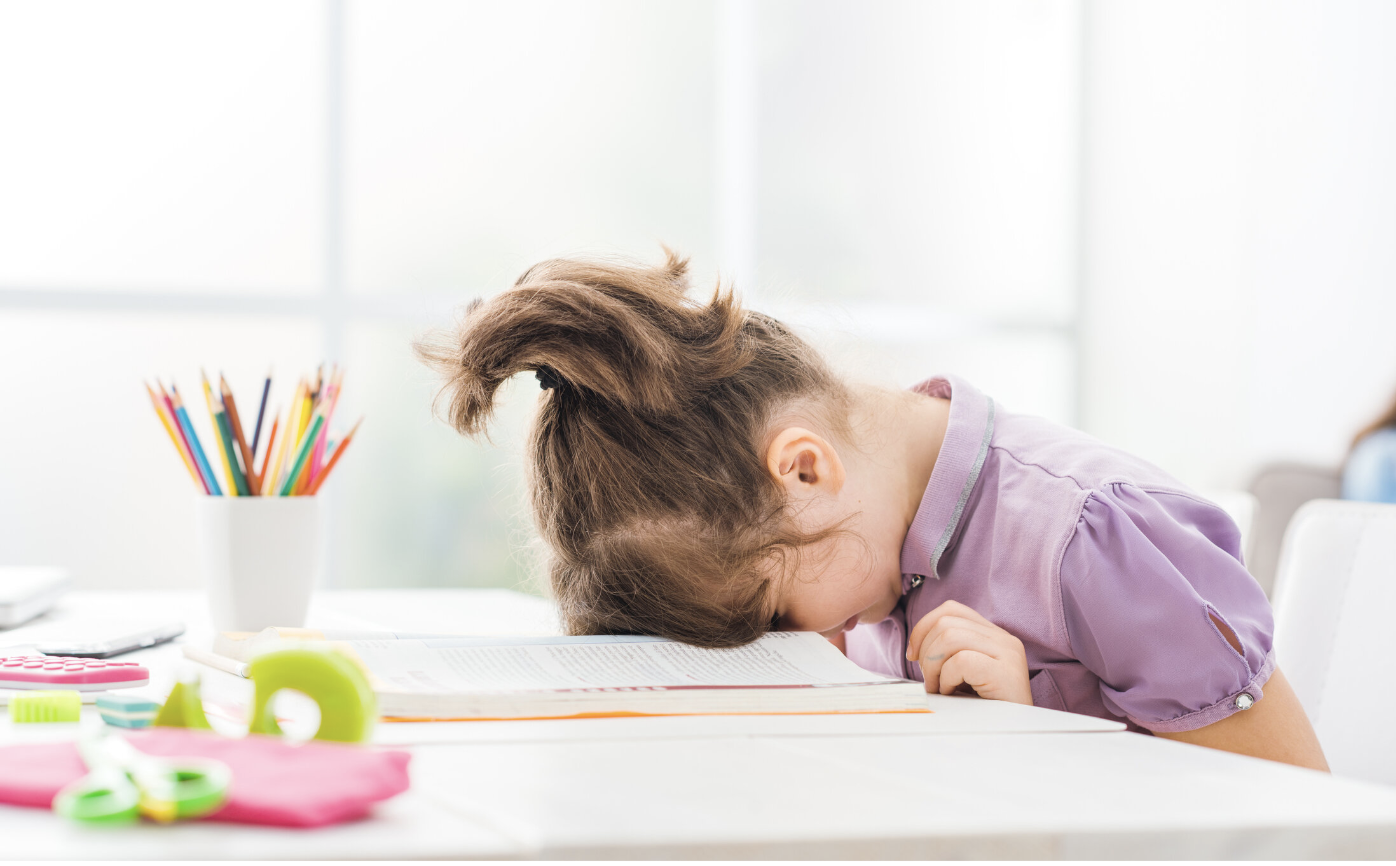
Leo is the worst sore loser. We can't play any family games because he goes nuts if he doesn't win. Even though he's great at soccer and makes a lot of goals, the second someone blocks one of his attempts to get the ball into the net he starts screaming that it's unfair and storms off the field. It's embarrassing and I worry about how other kids see him and if they are going to want to stop playing with him.
Being a perfectionist and having a very low tolerance for losing go hand-in-hand and makes competitive activities especially stressful for kids who struggle with these issues. To cope and protect themselves from the discomfort and shame that gets triggered when they lose, highly sensitive (HS) kids try to manipulate the game to win (aka "cheat") or they get angry and quit. In a time long ago, before COVID, I was playing Connect Four with five-year-old Lucy on a home visit. She made the first move. When it was my turn, I dropped my piece into the slot next to hers—the obvious move. Lucy immediately got revved up and explained, “No, Ms. Claire, I tell you where you can put your pieces.”
What you can do:

How to Build resilience in Children who have a low Tolerance for Frustration
Lucas (4) just got a new scooter which he has wanted for a very long time. He hops on it, but as soon as he has trouble balancing, he tosses it to the ground. He pronounces that he hates scooters, that he really never wanted one, and runs inside.
Highly sensitive (HS) children tend to experience more distress and give up more easily when they confront a challenging task or can’t master a new skill right away. The root cause, once again, is the vulnerability and loss of control that gets triggered very quickly in these kids. HS children need more support to build resilience—to see that they can muscle through challenges.
What you can do:

How to Support Children Who Struggle with Self-Consciousness and Feel More Easily Slighted
Talia (4) hates when we talk about her, even if we are praising her, like telling her what a good job she has done or describing one of her accomplishments to grandpa.
Highly sensitive (HS) children are more keenly focused on how other’s see them. Like Gabriel, whom you met in a previous blog on HS kids, who refused to participate in any class performances; and, Jonah, who didn’t want the kids or teacher in the swim class to look at him. They get very uncomfortable when any attention is called to them, even when parents or other adults are saying complimentary things. It feels overwhelming to be under any kind of scrutiny.
What you can do:

Slow-to-Warm-Up Kids: How to Support Children Who are Cautious About New People and Experiences
Stephanie takes her five-year-old, Jonah, to swim class for the first time. He refuses to get off of her lap and go into the water. The teacher and the other kids are very encouraging, trying to get Jonah to join them. The more they try to woo him, the more uncomfortable Jonah becomes. He starts curling up into a ball and uses baby talk. When he gets home, his grandmother asks him about the class. He doesn’t respond and runs into his room. Stephanie has a strong sense that Jonah is feeling very ashamed about the whole experience. Her heart breaks for him.
Children who are more fearful and cautious by nature are often highly sensitive (HS). When they enter a new situation—be it a classroom, a birthday party, or swim class—their wheels are turning. They wonder: What is this place? What will happen here? Who are these people? What can I expect from them? Will they like me? Will I be safe? Will I be good at whatever is expected of me here? This deep thinking and constant analysis of their environment makes HS children extremely bright and insightful. But it can also be overwhelming and make them more prone to anxiety. To cope, they fiercely cling to their comfort zone, which means they often resist anything new. They tend to have a harder time separating from their parents. It takes them longer to adapt when they start childcare or preschool. They refuse to go to soccer or swimming, even when they love these activities.
What you can do:

Highly Sensitive Children: How to help them manage their big emotions
Natalia reminds her daughter, Olivia (4), that her dad, Luis, is leaving in a few days to go away for the weekend. Olivia starts physically pushing her mom as she blurts out, “Don’t say that mommy!” She then turns to her dad and shouts at him: “Go away right now! It’s time for you to leave this house!”
Olivia's reaction is confounding to Natalia and Luis. Why would she be telling Luis to leave--early no less--when she is so distressed at the thought of being separated from him? Wouldn’t Olivia want to keep dad close? While seemingly irrational, looking at it from Olivia’s perspective, her rejection of Luis is a way to gain control of a situation that she has no control over. The old, “I’ll reject him before he rejects me” defense mechanism at work. Olivia is not being mean or hurtful on purpose. She is trying to cope with a stressful situation in the only way she knows how.
Olivia’s reaction upon Luis’ return from his trips away from home is also confusing when taken at face value: Olivia ghosts him. She is cold and refuses to engage with him for a full day or two. This, again, is a common reaction in highly sensitive (HS) children. It takes a lot of psychic energy to adapt to a separation from a loved one. When mom or dad returns, the child needs time to let that person back in and feel safe to reconnect.
What you can do:

Low Frustration Tolerance: What to do When Your Child Gives Up Easily
Three-year-old Marcus is trying to find where the pieces fit in a challenging puzzle. Four-year-old Ruby is working on how to keep her block tower from falling down. Omar and Zoey are looking for what they can use as superhero capes when Omar’s mom won’t let them use her scarves. These are all examples of kids hard at work solving problems.
This ability—to face a challenge and come up with effective solutions—is the key to developing resilience and is one of the most important skills for success in school, in relationships, and in navigating life. It is also an important component of building strong “executive functioning”, which is a child’s ability to manage his emotions and control his impulses so he can focus and maintain attention on the task at hand, draw on knowledge gained from past experiences, and to think creatively—to fix mistakes and try another strategy when the one he is using is not working.
You see this in real life when a child faces an obstacle, like not being able to fit the square block in the round space on the shape-sorter. Despite his frustration, he does not give up and toss the block across the room. Instead, he is able to stay calm enough to keep focusing on the task. He has done shape-sorters before and knows that he has to keep trying different spaces until he finds the correct one. Through this process of trial-and-error he successfully finds the right space for all the shapes. Solving the problem results in a powerful sense of mastery.
Here’s how you can support your child’s ability to become a master problem-solver:
Pause and Problem-solve--A Handy Tool for Helping Children Get Calm and Cope
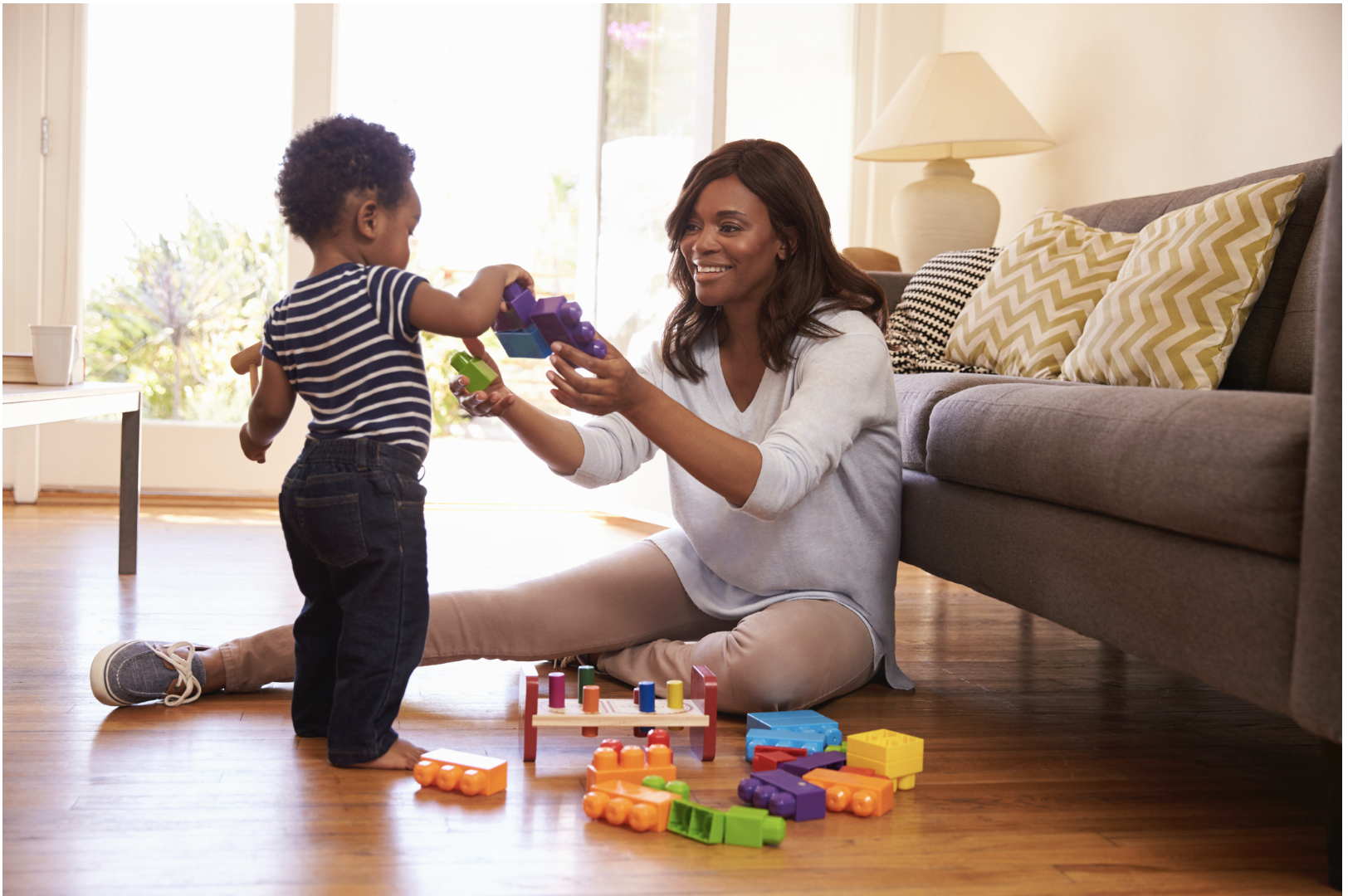
On a recent visit to a preschool, I was working with the teachers to come up with strategies to help the children learn to become good problem-solvers. The greatest obstacle to this, the teachers noted, was helping the children remain calm when facing a challenge so they can persevere to solve a problem. They find this is especially difficult for the “big reactors” who tend to go from 0-60 in the blink of an eye. Common tactics, such as deep belly breathing, weren't working as well as the teachers would have liked. They couldn’t get the kids calm enough to even use this soothing tool.
Since I have had some success with the use of cues or mantras for children—a phrase you use repeatedly to throw a monkey-wrench into a detrimental dynamic—I decided to try a new one out with a class of four-year-olds. It is designed to help build self-regulation. I call it Pause-and-Problem-Solve, and it has proven to be quite powerful for helping children regroup in a positive way when a breakdown is brewing. In this newsletter, I share how you might use this tool to encourage your children to become good problem-solvers. Here are the key steps: