
Lerner Child Development Blog
Blogs By Categories
- All Most Popular
- All Most Popular Blogs
- Anxiety
- Big Reactors
- Blogs
- Building Resilience
- Challenging behaviors
- Cooperation
- Emotional Regulation
- Food Challenges
- Highly Sensitive Children
- Limit-Setting With Love
- Low Frustration Tolerance
- Mealtime
- No Power Struggles
- Parental Self Awareness
- Parental Self Regulation
- Physical Aggression
- Positive Discipline
- Potty Learning
- Regression
- School Related Issues
- School challenges
- Separation and Divorce
- Sibling Issues
- Sleep
- Social challenges
- Social emotional development
- challenging behaviors
- food
- lying
- masking
- mealtime
- parenting self-awareness
- positive parenting
- separation anxiety
- sleep
- social emotional development
- stress

Safe Space Breaks: When Giving Your Child (And Yourself!) A Break Can Be Helpful, Not Harmful
One of the most challenging situations families of big reactors face is what to do when their children are so out of control that they are destructive. They are "going to a category five in a nanosecond" and there is no calming them once they are triggered. Their meltdowns are frequent and intense. In the heat of these "red-zone" moments—when their children are hurling objects, kicking, hitting, biting, scratching and spitting—these parents are pushed to their emotional, and physical, limit. They instinctively know that a break is necessary—for themselves and their children.
The problem is that most have spent a fair amount of time on social media and have been barraged with the message that time-out is not developmentally appropriate and can be detrimental to their child; that it is negating children's feelings and tantamount to traumatizing them by abandoning them when they are in distress. What loving parent would do something that could be so harmful to their child?
This leaves these parents in despair, feeling like their hands are tied, totally helpless. It is an awful feeling that is not good for them or their kids.
The frequency of these stories led to my decision to start incorporating home visits into my practice so I could observe first-hand how these encounters unfold and provide more relevant and targeted support to parents—that meets them in their realities. What I saw was that when emotions (and cortisol levels in the brain) are sky-high, a break for both parent and child can be a healthier approach than the tense, often aggressive, back-and-forth (physical and emotional) that ensues in red-zone moments when parents are trying to physically restrain children and losing control themselves. While remaining with their child in these moments feels like the more loving thing to do, this dynamic is much more harmful to children than providing them (and their parents!) some space in a safe and loving way. What's the parent of a big reactor to do?
So, in this blog I am revisiting this whole controversy about time-out because it continues to vex many families who come to see me. And, because I want to spread the very important word that two highly respected colleagues have recently reviewed the actual research on time-out and both have concluded that not only isn't it harmful, but can be a helpful, positive parenting strategy. It's all abut how it is implemented.
The Controversy Around Time-Out
There is broad agreement that the use of time-out as punishment for “misbehavior” is both developmentally inappropriate and ineffective. A robust body of research clearly shows that the part of the brain that controls the ability to think about and manage feelings and actions is not well-developed in young children. They are driven by their emotions and impulses. They are not misbehaving on purpose, so they don’t learn anything from time-outs. Further, punitive approaches tend to increase challenging behaviors. They exacerbate the distress children are already experiencing as they struggle to cope with life’s myriad frustrations and disappointments. They need our empathy and support, not anger and rejection.
The problem is that now time-out has become a catchall. Any type of break a child might need is seen as punitive and detrimental to children. The antidote to time-out has become time-in, which entails staying with the child throughout the meltdown, no matter what. Parents act as “co-regulators”, providing the support young children need to soothe themselves given that they have very limited ability to self-regulate.
This makes all the sense in the world, in theory. But for many families, the reality is that their presence in these moments is not calming or regulating for their child who is so out of control that they cannot accept comfort. The more these moms and dads try to calm their kids, the more out of control they get. In these situations, time-in is not helping soothe their child’s stress response. Being in the room with their child is a stimulant, even when parents are staying calm and quiet. They become an available target for continued aggressive behavior, keeping their child revved up and reactive.
Not to mention that parents are also human, and as hard as we may work on controlling our emotions, there are times when children are so out-of-control and destructive that the only way to cool things down is to take a break from the intensity of the moment.
Consequently, I have come to believe that it is a disservice to parents to tell them that the only acceptable option when their child is spiraling out of control is time-in. They already feel like failures for having a child who can get so out-of-control and destructive. When time-ins only extend and exacerbate these red-zone moments, parents despair that they have no tool that enables them to maintain some sense of control over their child’s behavior. They are physically and emotionally “burnt-out,” as one parent recently put it, from all the knock-down, drag-out battles they experience—sometimes on a daily basis. And, sadly, these parents spend a lot of time feeling angry at their children for making them feel so out of control.
The Research On Time-Out Does Not Show Harmful Effects and Confirms It Can Be a Helpful, Loving Strategy
Science journalist, Melinda Wenner Moyer recently did a review of all the research on time-outs and reports: “In the parenting advice world, the big concerns about time-outs are that they are emotionally damaging and that they erode the quality of the parent-child relationship. Yet I couldn’t find evidence to suggest they do either of these things, and found plenty of research suggesting the opposite." She continues: "Clinical psychologists evaluated the vast published research on time-outs, concluding that ‘time-out represents a safe, effective form of discipline which, in the context of a larger environment dominated by positivity, consistency, and predictability, has been shown across hundreds of research studies to be beneficial to the overall emotional and developmental functioning of young children.'"
Psychologist Cara Goodwin did a deep-dive into the genesis of Time-Out, and it's impact on parent-child attachment (I assume because parents are bombarded with claims on social media about time-out eroding a secure attachment.) She found that time-out has no negative impact on attachment, and that "Temporary and predictable separations with positive reunions are an important part of secure attachment." It's all about how parents provide this break. I strongly recommend you read her excellent article, highlighted above.
How to Implement the "Safe-Space Break" in a Loving and Supportive Way
The breaks I suggest parents give themselves and their children in these most challenging moments are not punitive but loving and supportive. I don’t call them “time-out” because this term has become synonymous with punishment. I call them “safe-space breaks." Breaks are not inherently or necessarily harmful to young children: it’s all in the way they are executed. When parents approach the break calmly and lovingly—not punitively ("Go to your room right now!”)—this tool can be caring, not callous. It creates the space parents and children need to prevent further escalation, and to come back together to solve the problem when they are both calm.
Let your child know what the plan will be when they are in the red-zone. In a quiet moment (not during a tantrum), acknowledge that meltdowns will happen. Everyone experiences times when they are so upset that they lose control of their minds and bodies. Explain to your child that when they are in that state, your job is to be their helper. You will always first try to help them get calm by using a range of tools you come up with together, such as giving them a bear hug, or taking deep belly breaths.
But in situations in which they are having a hard time controlling their body, you will take them to their safe space. Make the focus keeping them safe, not that you are protecting other people from them. (If you make the focus on how they are being harmful to others, it is likely to be more triggering to them and result in further dysregulation.) Once they are calm, you can talk about the incident—depending on their age—and help them begin to understand how their behavior impacts both themselves and others.
Show them that you have a safe-space break, too. This could simply be your room. Place some calming tools in there—like stress balls, exercise bands you can snap, etc.—and explain to your child that when you are getting agitated, you go into your safe space and use these objects, or strategies like taking deep breaths, to get yourself calm. Then, when you are calm, you are better able to help solve whatever problem is at hand. This is a very powerful model for self-regulation, reinforces that the safe space is not punishment but a tool for calming that everyone needs, and shows them that they are not alone. A dad recently reported that when he modeled this in the heat of a moment with his almost 4-year-old, his son responded by going into his room and looking at books to calm himself.
Be sure the safe space has a boundary to prevent your child from exiting on their own. For children who will not stay in the safe space and keep running out before they are back in control, I find it essential to provide a boundary. When children can exit the safe space freely, parents lose control over the situation which tends to only further fuel the frenzy. Boundaries are good for kids. They keep them safe and secure. I recommend using a door monkey which keeps the door wedged open a few inches—not enough for a child to squeeze out. This way you don’t have to close or lock doors. Preview how door monkey works so your child knows exactly what to expect: “This is our friend Mr. Door Helper. He keeps you secure in your safe space until your body is calm.” If the door monkey doesn't work in your home (ie if you live in an old row house), using a door knob cover or reversing the lock on the door can work well.
A child’s bedroom can serve as the safe space since it is not being used as punishment but as a loving, calming place.
Once your child is safely in the space, you can sit on the other side of the door and say a calming mantra or just be a quiet presence. Just knowing you are there to weather the storm is loving and supportive to your child, even if they are not making you feel like you are being loving and supportive.
In situations where you don’t feel you can get your child into the safe space, (i.e., if you have an older child who is too big for you to carry to the space) an alternative is to secure yourself in a safe space and calmly tell your child: “I am going to my safe space. When you are back in control of your body I will come out and we can work on solving the problem.”
Include your child in designing the space. First, be sure to child-proof the space. Make sure there are no dangerous objects they can gain access to. Remove anything they can climb on such as stools or chairs. Brainstorm together what they can do in their safe space. Help them choose from a range of acceptable items that can be included, such as: stuffed animals, squishy balls, cozy pillows, and books. Putting a kids’ tent in the space can be very effective as it feels snuggly and comforting to children, especially when they are unraveling. Creating a warm, friendly space communicates to your child that it is not for punishment—it’s a loving space. (Still, don't expect your child to thank you for putting them in the break space. Remember, just because a child doesn't like a limit doesn't mean it's not good for them.)
Stay as calm as possible when moving your child to the break space. If your child is not able or willing to go to the break space on their own, you may need to carry them there. Even as you hold them at arm’s length to avoid their kicking, hitting or biting, try to stay calm and keep language to a minimum. Remember, kids can’t process more input when they are in the red-zone. Their brains are flooded with emotion and they can't think rationally. Whisper a calming statement: “You’re really upset and are having a hard time controlling your body. I am going to be a helper and take you to your safe space for a break. When you are calm we can get back to playing.”
You can stay on the other side of the door and say a calming mantra, like: “I know, this is a tough moment. I am here.”
Options for ending the break. Some parents choose to end the break when their child is calm. Another option is to set a timer for three to five minutes, then check in. At this point, your child may still be upset, but if they are no longer out of control and are able to accept being comforted, you can help them move on. It can also be helpful to tell your child that when they count to 10, you will know their body is calm. Giving them a job—something to focus their attention—can be organizing and help them regulate.
Be sure to have appropriate expectations for what the break will accomplish. Young children do not yet have the ability to reflect on their actions and behavior on their own, without help from a caring adult. This means that the goal of taking a break is not self-reflection: “Gee, I wonder why I let my emotions get the best of me—I really shouldn’t have scratched and kicked daddy when he turned the TV off” is beyond toddlers and even preschoolers (not to mention many adults!) The goal is to provide a quiet place where your child can move from a state of high agitation and upset to calm. The break offers the space for both parent and child to regroup. No learning takes place when children are in an agitated, emotionally flooded state.
Breakdowns are evidence that children are experiencing overwhelming stress they can’t manage. When your child is being harmful and you cannot control them, or when they are so out of control that they cannot accept and benefit from your attempts to comfort them, a short break from interaction can help them (and you!) cool down. In the context of a loving, strong parent-child relationship, giving your child and yourself this space can be helpful, not harmful.
Related articles:
How To Be a “Gentle” Parent With a Big Reactor
How to deal with public meltdowns Managing physical aggressionWhen limit-setting gets physicalStop working so hard to calm your child

Why Punishment Doesn't Stop Aggressive Behavior
Few things are more vexing than when children are physically aggressive: hitting, kicking, pushing, biting, pinching. Many parents I work with worry that this kind of behavior signals a lack of empathy. One dad recently wondered about something that is perplexing to many parents: "How could we—such loving, peaceful people—have created a kid who can be so hurtful?”
At the same time, parents fear the consequences for their child: Will she be seen as a bully? Will other children not want to play with him? Will she get kicked out of preschool? And for themselves: Will I be alienated from the other parents who judge me because of my child’s behavior?
These are all very natural concerns which understandably trigger intense reactions. In an effort to eliminate these aggressive behaviors, most parents become harsh and punitive. They shame: “What is wrong with you? Why would you want to hurt your friend?” They use threats and punishment: “No TV time for the rest of the week if you hit again!” Or, instill fear: “No one will ever want to play with you if you hurt them.”
The problem with these tactics is that while they may seem logical from an adult perspective—that they should motivate a child to stop the behaviors—they often backfire for several reasons:

Just Say “No” to Threats Part 2: What to do when your child is the one using intimidation
Recently, I wrote about avoiding the use of threats to get kids to cooperate or to stop misbehaving. But what about when your child is the one doing the intimidating to get her way, as illustrated in these recent stories parents have shared?
After being told she can’t go ice-skating with a friend because Aunt Jackie is coming over for a visit, Layla (6) announces that she is going to open up her window (in her bedroom on the second floor) and then run out the front door so when her parents can’t find her, they’ll think she fell out of the window.
Marcus (3) threatens not to eat for the rest of the day if his dad won’t give him a snack-bar for breakfast.
Soriah (4) exclaims that she won’t let the babysitter in the house and will “get her dead” if mommy goes out to meet her friends for dinner.
These kinds of provocative proclamations, while not uncommon, are naturally very disturbing to parents who take them at face value and worry that they are raising a sociopath. With this mindset, it is understandable that parents’ knee-jerk reaction is to get harsh and punitive to teach their child a lesson and to shut down these kinds of threats. But this backfires almost every time, as any big parental reaction is a victory for the child and reinforces the power and validity of the irrational proclamation. When efforts to yank their parents’ chain work, the behavior is proven effective.
But children don’t mean what they say when they are in “red zone”. (Even most of us adults can recall a time or two when we said horrible things to those we loved when we were angry or hurt.) In these moments, children are using inflammatory language because they are desperate to get their point across. They also know these alarming threats often get a rise of out of parents, which is their goal.
What to do instead? Ignore the provocation, but don’t ignore your child.
Just Say "NO!" to Threats
“If you don’t stay in your room and get to sleep, I am going to put a gate up!”
“If you don't put all these toys away, I am throwing them in the trash."
Most parents have resorted to threats like these in a desperate attempt to get their kids to cooperate. But this tactic often backfires because children pick up on the negativity and react to it. It sends the message to your child that you are already anticipating that she isn’t going to comply and that you are in for a fight. This puts kids in oppositional, power-struggle mode, especially children who are more defiant by nature. Negativity and threats tend to amplify their resistance and they just dig in their heels more firmly. (Not to mention that most of the time parents have no intention of following through on the threat and the child knows it.)
What you can do

Dealing with Demanding Behavior
I have been talking to a lot of parents recently who are struggling with how to respond to demanding, dictatorial behavior. Think:
"Get me orange juice!"
"Put my shoes on!"
“Bring me my blanket!"
Most parents find demands like this from their kids infuriating, understandably. Their knee-jerk reaction goes something like this: "You can't talk to me that way! I won't get you anything when you use that tone." This seems totally logical, but it often backfires. When we respond with a negative (and often revved-up) tone, it tends to amplify children's negativity and make them more of a "fascist dictator" as many a parent has been known to describe their child.
As counterintuitive as it may seem, I find the most effective response is to take the following approach:

Limits are Only as Effective as Your Ability to Implement Them
Adam and Brian are entrenched in breakfast battles with their 3-year-old, Sadie, who lollygags and gets up and down from the table for a seemingly endless array of urgent tasks she insists must be undertaken. She keeps going back to her room to make sure her teddy’s blanket is still on securely. Or, she looks for the toy she wants to bring to school that day to put in her backpack. Her dads vacillate between trying to convince her to eat—telling her she will be hungry at school—and making threats such as no dessert after dinner if she doesn’t stay at the table. None of these tactics motivates Sadie to sit and eat. When they announce that it’s time to leave for school after the more-than-adequate 20 minutes they have allotted for breakfast, Sadie has taken maybe 3 small bites of her toast. She starts shouting: “I haven’t had time to eat and will starve!” Exasperated but worried that she will be hungry at school, Adam and Brian give her five more minutes which turns into 10 and then 15. They finally, angrily pick her up and get her into her car seat. With Sadie in hysterics, they scold her for making everyone late and lecture her all the way to school about how it is her fault if she doesn’t eat. Everyone is miserable.
I see this dynamic play out in home after home: parents unsuccessful at getting their kids to cooperate—be it to eat, sleep, put toys away—by trying to convince them to comply using logic (you’ll be hungry!), threats and bribery. The problem with these tactics is that they all put the child in the driver’s seat. Whenever parents are in the position of trying to convince a child to comply with a direction and are waiting for her to agree to the expectation they have set, the child holds all the cards. This naturally makes parents feel out of control which leads to reactive and harsh responses that only intensify the struggle and reduce a parent’s ability to be effective.
The key is for parents to make a critical mindset shift which is to recognize that you have no control over your child. He’s a human being and you can’t make him do anything, including eat, pee in the potty, clean up his toys, or go to sleep. The only person you control is you.
When It’s Not Okay to Say, “Okay?”
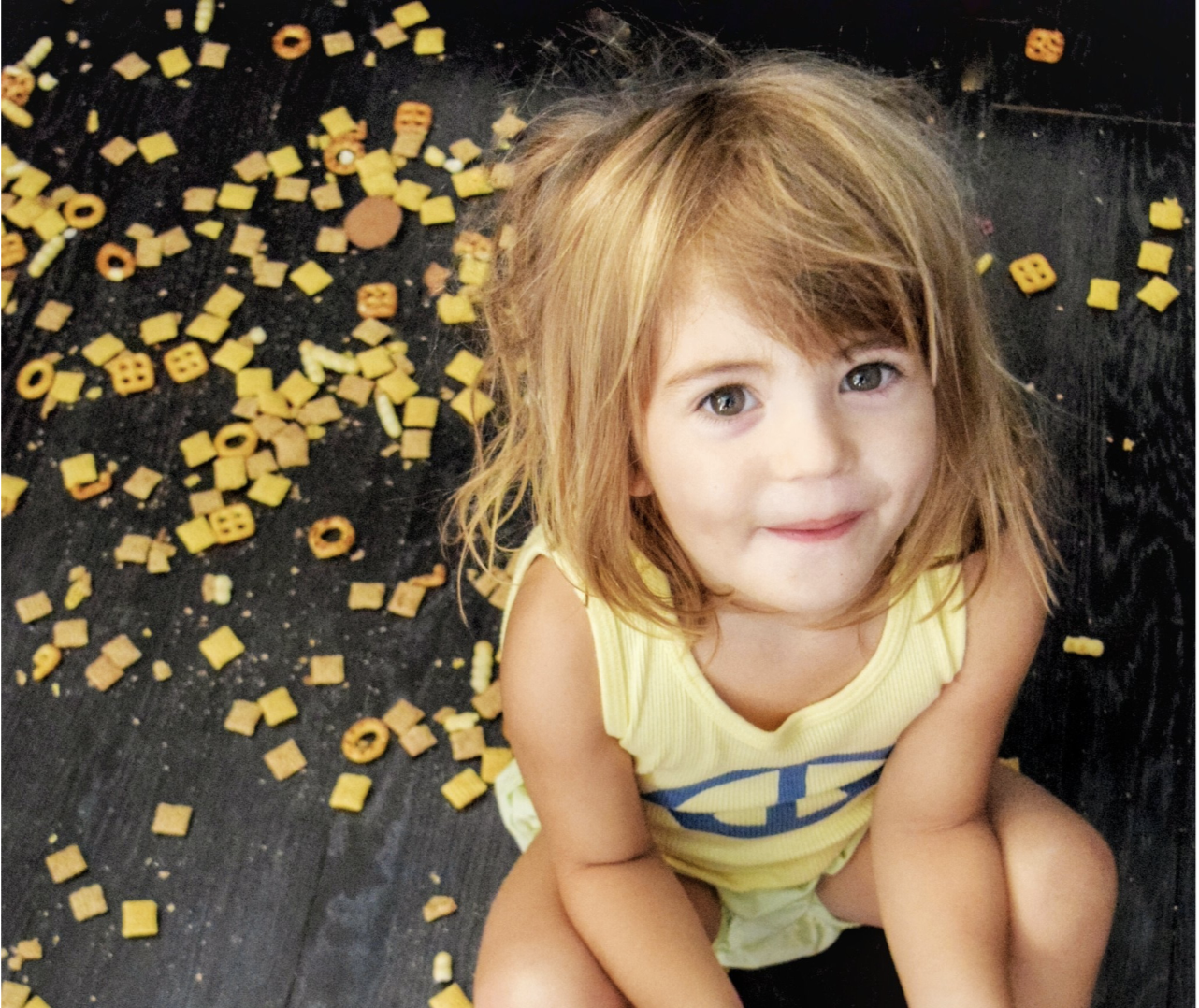
I have to give my mom credit for this insight. On a visit when my son was three, she pointed out that every time I gave him a direction, I ended it with “Okay?” She wondered why I would ask a question when I was not intending to give my son a choice (Sam, time to leave the playground, okay?) and noted that this might be confusing to him. Once I was aware of this dynamic, I realized that it had become a totally unconscious, reflexive response that I used constantly.Sam, time for bath, okay? Sam, time to get in the car, okay?I also began to notice that this was a pervasive phenomenon in every family I worked with. Twenty-five years later, as I visit home after home, I can confidently report that nothing has changed. We all fall prey to this pitfall. And it’s a problematic one, because it is confusing to children: they hear that they are being given a choice even though this is not their parents’ intention. When children don’t comply, it results in a lot of frustration and anger. I was at a home visit recently during which a mom kept asking her 2-year-old to, “Please take your feet off the kitchen table, okay?” After several requests the toddler turned to her mom and simply said, “No, I like them on the table.”
While it seems simple to just kick this unhelpful habit, that’s not how we operate as parents. These knee-jerk reactions tend to be pretty persistent. The only way most of us are able to make a change is to become conscious of what is driving us to act as we do—what the trigger is. Otherwise, the impulse wins out over what we know is “right” almost every time.
For me, and most parents I have talked with about this phenomenon, the root of our reaction lies in a discomfort with giving directions. It feels dictatorial and authoritarian, which is inconsistent with who we are and who we want to be as parents. We know how important it is to nurture children’s sense of agency and independence. Telling them what to do feels contrary to that goal.
The mental shift we need to make is seeing that children thrive when they know exactly what is expected of them. The same is true for adults. We feel less anxious, more in control and better able to complete tasks at work when our boss is clear about what the expectations are. This is precisely why children tend to behave better at school than at home: good teachers have no problem giving directions, and children love them all the same. Making marching orders crystal clear gives kids the information they need to make good choices. They clean up after snack so they can move on to an activity; they put the sandbox toys away so they can earn the privilege of playing with them the next time they go to the playground.
What to do?
Pause and Problem-solve--A Handy Tool for Helping Children Get Calm and Cope
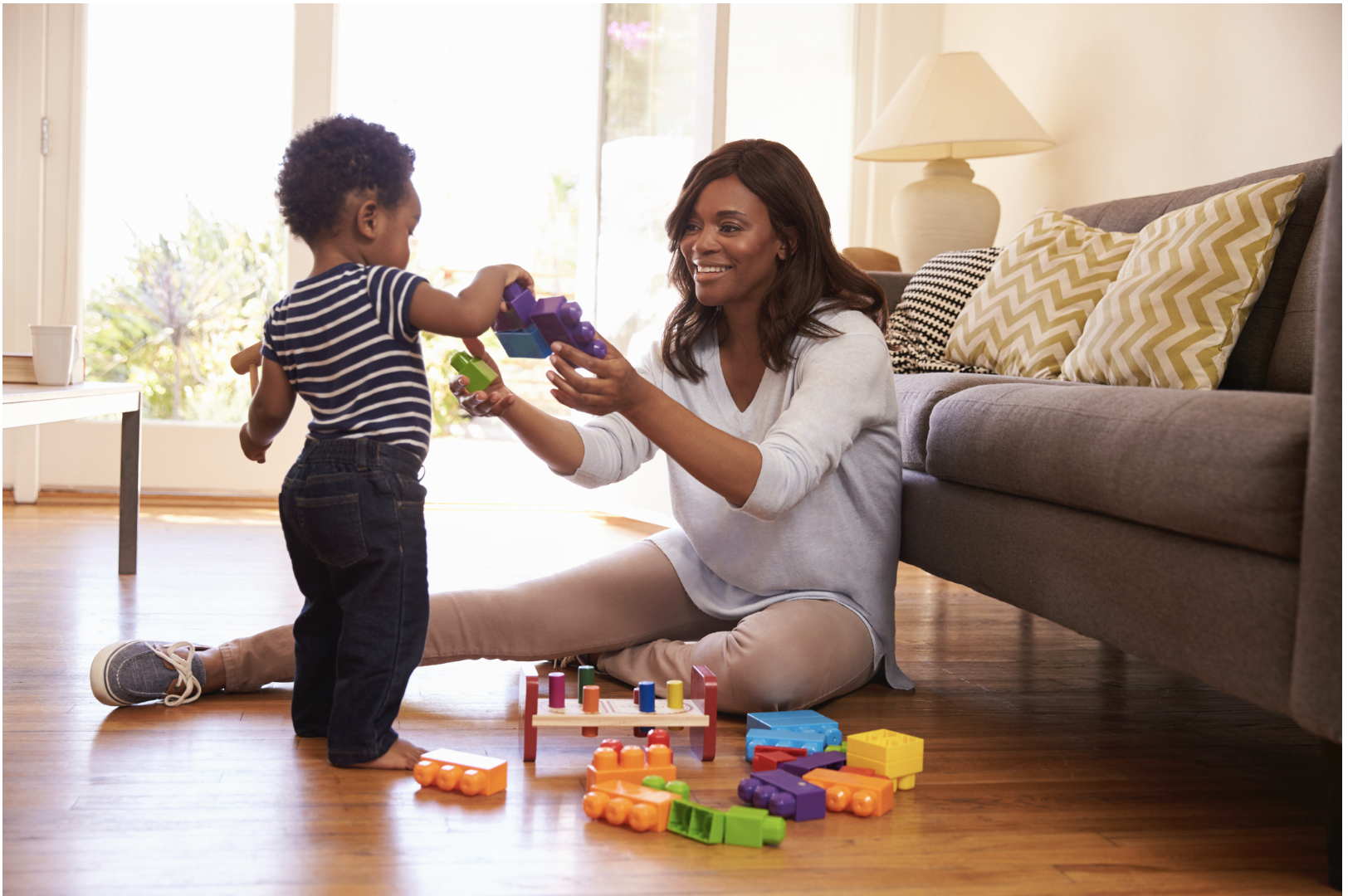
On a recent visit to a preschool, I was working with the teachers to come up with strategies to help the children learn to become good problem-solvers. The greatest obstacle to this, the teachers noted, was helping the children remain calm when facing a challenge so they can persevere to solve a problem. They find this is especially difficult for the “big reactors” who tend to go from 0-60 in the blink of an eye. Common tactics, such as deep belly breathing, weren't working as well as the teachers would have liked. They couldn’t get the kids calm enough to even use this soothing tool.
Since I have had some success with the use of cues or mantras for children—a phrase you use repeatedly to throw a monkey-wrench into a detrimental dynamic—I decided to try a new one out with a class of four-year-olds. It is designed to help build self-regulation. I call it Pause-and-Problem-Solve, and it has proven to be quite powerful for helping children regroup in a positive way when a breakdown is brewing. In this newsletter, I share how you might use this tool to encourage your children to become good problem-solvers. Here are the key steps:

Fair is NOT Equal
A spate of parents I’ve seen recently have expressed a lot of frustration over the fact that every time they say “no” to their kids, they are accused of being unfair. This is a major trigger for parents, sending them into reactive mode. They either start to defend their decisions to their children or they give in. Both responses validate that their child’s assessment of the situation is accurate or reasonable, when in most cases it is decidedly not. For example: Jonah, 6, who protests that it’s not fair that his older brother, Sam (age 9), gets to stay up later; Stella, 4, who explains that it’s not fair that she has to sleep alone when her parents get to sleep together; and, Lucca, 5, who insists that it’s not fair that he has to share the Magnatiles with his brother who isn’t as serious about building as Lucca.
Just because in our logical minds these protestations can seem irrational doesn’t mean that your child doesn’t actually feel an inequity is taking place. In some cases, it is just a strategy to get you to change your mind and give in to something your child wants. Kids are clever and will use whatever tactics work to reach their goal. But in many cases, on the face of it, the rule does seem unfair to children—that a sibling gets to stay up later or that parents get to sleep together but the child has to sleep alone.
And sometimes there are contextual factors that we need to be sensitive to. For example, I recently met with parents who have a 6-year-old, Liam, who constantly feels like a victim. As we unpacked how he may have developed this sense of himself, it turns out that when he was a toddler, his older brother was diagnosed with a serious illness and went through three years of intensive treatment. The parents had a large group of friends and family to help. But Liam likely sensed that his parents were distracted (understandably) and consequently started building a narrative that his needs were not as important as those of his older brother. Add to that the fact that Liam now has two younger siblings, including a new baby, amplifying his worry about whether he will get the attention he wants.
It is important to be sensitive to the underlying forces that influence your children’s behavior and the lens through which they filter their experiences. Even if your kids have not gone through a family trauma like this, many experience tough periods when they are trying to make sense of their place in the family. Temperament is also a factor: children who are inflexible by nature tend to develop very fixed ideas about how things should be and thus have a very hard time when things don’t go according to their desire or plan. This often results in the refrain: “IT’S NOT FAIR!”
The goal is to help children see that not getting everything they want is about healthy and developmentally appropriate limits, not about love or favoritism. Liam’s parents want him to create a new narrative that is not one of “I am a victim, always being deprived”, but one that sounds more like, “When I can’t have everything the way I want it, and my parents set limits, it doesn’t mean I am not loved or valued.” Mature as this outlook may seem, over time, children can and do internalize this very important concept.
Below is a roadmap for responding to protestations of "it’s unfair!" that enables you to be empathetic while maintaining the limits that you feel are important for your child:

Securing Sleep: Key Principles for Helping Your Child Become a Good Sleeper
Nine-month-old Lilah, previously a great sleeper, has started to protest when her mom puts her down to sleep. She wakes up multiple times at night. She won’t fall back to sleep unless she gets a bottle that she scarfs down.
Three-year-old Amir insists on an endless litany of demands at bedtime—2, then 3, then 4 more books, placing his cars in a specific order on his shelf, getting his blankets on “just right”. Even when his parents acquiesce, it’s never enough. He still flips out when they say they are leaving and it’s time for him to go to sleep. When they finally put a monkey lock on Amir’s door to keep him from leaving his room after lights-out, he gets them in the jugular by shouting things like: “It’s illegal to ignore your child!”
Sleep challenges come in all shapes and sizes. And, like most childrearing challenges, a one-size-fits-all approach to help children become good sleepers does not exist. Every child and family is different. The underlying cause of the trouble can vary significantly from one scenario to another. One child struggles with separation anxiety; another tests limits; another doesn’t know how to fall asleep on his own. That’s why general prescriptions don’t work. In fact, they can lead to more frustration for parents when the suggested plan does not feel comfortable for them or doesn’t work for their child. Instead, what I have found most useful is to provide parents with a set of guiding principles to develop their own path to help their child (and themselves!) get a good night’s sleep. These are not solutions to specific sleep challenges, but rather overarching strategies and mindset shifts that empower you to come up with an approach that meets your child’s and family’s needs.
Guiding Principles

Having Trouble Understanding Your Child’s Challenging Behaviors? His Sensory Processing System May Provide Important Clues
“I always thought Samantha was just more ‘intense’ than other children. Her reactions to nearly everything were incredibly strong. She threw massive tantrums at least 5-10 times per day over things such as having to sit in her car seat or accidentally getting water in her eyes during bath time. People would tell me tantrums were “normal,” but I felt it wasn’t normal to be having such intense tantrums so many times each day. She was incredibly impulsive and constantly reached out to touch interesting things she saw, regardless of the appropriateness (such as clothing on someone’s body) or the danger (such as a burning candle). She also seemed to both seek physical input (for example, by climbing on others) while also protesting intensely to any physical touch that she didn’t like (for example, an adult restraining her from an unsafe situation). She would melt down if someone else did something she wanted to do like flush the toilet, push a button, or turn on the faucet to wash hands, and she often didn’t “recover” for several minutes, even an hour at times. She also had a hard time listening to and following directions, so things like getting her dressed were often very difficult. I felt completely overwhelmed and lost.”
— Samantha's mom
About 10 years ago, I was feeling increasingly frustrated with the limited progress many children I was working with—such as two-year-old, Samantha—were making using the typical tools of my trade. Trained as a clinical social worker, my focus was on helping parents understand their children’s emotions and providing them with strategies to help their children learn to manage their feelings so they could behave in constructive, “pro-social” ways. No matter how tuned in, loving, and empathetic parents were, and how clearly and consistently they were setting limits and boundaries, their children continued to struggle with typical challenging behaviors such as: biting/hitting/kicking, defiance, extreme fearfulness/anxiety, impulsivity, or an overall lack of self-regulation.
Around this time, a friend was telling me about problems she was having with her then 3-year-old, “Ruben”. He was very impulsive, aggressive, defiant, and wasn’t tuning in to others—all behaviors very typical of the kids I was having the hardest time helping. She told me that after trying many different failed behavioral interventions, they were referred to an occupational therapist (OT) who identified underlying sensory processing challenges that were at the root of many of the problematic behaviors Ruben was exhibiting. Further, she explained how the therapy Ruben was doing with the OT was yielding very positive results for the first time. I am embarrassed to admit that at that time I was mostly ignorant about OT for kids. I thought of it as an intervention for adults with carpal tunnel syndrome or who had been injured on the job. What could the “occupation” of a child possibly be? So, I asked my friend for permission to observe a few sessions of her son’s OT.
That experience proved to be a watershed moment: I saw first-hand how many challenging behaviors children exhibit are rooted in problems in their sensory processing systems and that this was a critical piece of the puzzle that I was missing as I tried to make sense of the meaning of children’s behaviors. For example, some of Ruben’s challenges were the result of a low threshold for tactile input. When people got too close to him, he pushed them away—by biting, hitting, kicking—to protect himself. Through targeted activities, the OT incrementally exposed Ruben to tactile experiences to help his system better detect, regulate, and interpret these sensations and respond to them more appropriately. In effect, OTs help children do their most important “jobs”, which include the ability to: manage their bodies and feelings, learn, play, get along with others, and work well in groups—pretty much everything that enables children to function effectively in the world!

Go With The Flow, Part 2: How to Address the Typical Challenges That Arise in the Potty-Learning Process
NOTE: This blog, which addresses how to manage potty learning challenges, is a follow-up to a previous post that focused on guiding principles for how to take a positive approach to helping children learn to use the toilet. I strongly recommend you read Go With the Flow, Part 1 before digging in to this piece as all the guidance below is based on the principles that are outlined in Part 1.
When it comes to challenges in the potty-learning process, it is important to keep in mind that children are not a monolithic group. They have different temperaments, developmental paths, and life experiences that impact all aspects of their functioning, including learning to use the potty. There is not a one-size-fits-all approach that works for every child and family. When I collaborate with parents to address these challenges, we look at all the factors that might be influencing the process to come up with the best solution for their unique child. For example, in one family in which the child was withholding bowel movements, there was a lot of conflict between the parents that was affecting the child. Once we developed ways to help the parents reduce the tension in the household and combined that with some of the strategies described below, their child stopped holding in his poop.
Problem-Solving Potty Challenges
By and large, the primary reason the children I have worked with get stuck in the potty-learning process is a result of anxiety caused by the pressure they are experiencing to use the toilet. Often, these children are temperamentally more sensitive and cautious. They are fierce about needing to be in control. The more they sense that others are trying to make them do something, the greater their need becomes to take back control. When it comes to potty learning, this often means refusing to use the toilet and sometimes holding in pee and poop.
By the time families come to me for help they have tried everything: rewards and consequences; setting limits around using the potty (i.e., establishing times they have to sit on the potty and try to go); and even shaming or threats. Nothing has worked because these strategies don’t tackle the root of the problem—the child’s resistance to feeling controlled. In fact, the typical strategies parents are using are often inadvertently perpetuating the problem. In many cases, the constant and intense focus on trying to coax their child to use the potty has become an intrusion into family life and a major stressor.
The strategies below are all designed to reduce the tension and give control back to the child, where it belongs:
Explain to your child that it is her body and only she controls it, including choosing how to pee and poop. Point out all the positive ways she already controls her body, such as: eating healthy foods to grow big and strong; getting herself to sleep to build her brain and body; running, jumping and climbing which helps her have fun on the playground equipment. The idea is to instill a sense of confidence in your child that she is capable of controlling and taking good care of herself. This is an important first step because the messages she has likely been receiving, inadvertently, are that she doesn’t know her own body.
Dial it all back. You might say something along these lines: “Mommy and Daddy have been so silly! We have been trying to get you to use the potty because that’s what we do; it’s what feels good to us. It takes less time and we don’t have to get all cleaned up after. So, we figured it might feel better for you, too. But that was so silly, because only you are in control of your body. It’s your job to take care of it. (Kids love the idea of having a job.) So, when it comes to peeing and pooping, you are the decider about where you let it go—in a diaper/pull-up or the toilet. From now on, it’s all up to you. It doesn’t matter to us as long as you let the pee and poop out. It’s not healthy for it to stay stuck in your body.” This discussion is purposely designed to be lighthearted to ease the tension that is usually pervasive around pottying at this point.
Be clear about her choices and show confidence in her ability to make the best decisions for herself. “What’s so awesome is that you’ve got two great choices: since you know how to hold your pee and poop in until you want to let it go, one choice is to use the toilet. Then you can wear underwear. You just let us know what else you need to use the toilet. We are your helpers. If you choose not to use the potty, you wear a pull-up; but the rule is we have to change it when it’s full of pee or poop because it’s not healthy for your body to sit in a full pull-up.” It is critical that the rules are presented matter-of-factly, without any suggestion that one choice is preferable over another. The idea is to make this process a less emotionally-charged experience.
Follow through—no talk about going to the potty unless your child brings it up and you are following her lead. While this feels very uncomfortable to many parents—we feel like we have to be doing something to help our children make progress—in most cases it’s our over-involvement that is the root cause of the problem (see Part 1). Children learn to self-regulate when you show that you believe in their ability to make good choices for themselves. When you try to do it for them, you are sending the message that you don’t think they can do it; that you need to do it for them, which only leads to more dependence and missed opportunities for children to take responsibility for themselves.
Expect accidents and don’t shame your child for them. As discussed in Part 1, making children feel bad about accidents doesn’t prevent them, and it can actually increase them. (And is why I would even avoid using “accident” to describe these incidents as that word in and of itself can feel shaming.) Showing disappointment or annoyance can create a lot of anxiety that may interfere in the learning process, making children less likely to use the toilet. Shaming is not a motivator—it is paralyzing and leads to less body control, not more. Instead, focus on having your child help take care of her body: “No problem. Here’s a towel to wipe up the pee. Now wash your hands and choose some clean clothes. Great job!” Create a clean-up station in the bathroom with clean bottoms, wipes, etc.
What about when children choose underwear but have repeated accidents? It is reasonable to set clear limits about underwear use. Every family has a different threshold. You might decide that if your child has more than two or three accidents a day, it will be time to change into a pull-up. It is very important to communicate this dispassionately—underwear is not a reward, and pull-ups are not a punishment. You simply explain that underwear is not made for pee and poop. (Recall the experiment from Potty Learning Part 1 which demonstrates for children the difference between how underwear and pull-ups/diapers work.) “If you have three accidents it means you are choosing not to use the potty. No problem. But that means it’s time for a pullup because underwear is not made for pee or poop.” Remind your child that the pullup is great because it can hold the pee and poop. But, if she decides she wants to use the potty, she can always just pull it down like underwear. (The idea is to message that she has lots of choices—it’s all in her hands—while also setting some objective limits. Most parents find it hard to tolerate repeated accidents all day long.)
Avoid comparing your child to other children or making threats about the consequences of him not going on the potty: “Your brother was doing this by the time he was 2 ½.” Or, “Do you want to be the only one left in your class who uses pull-ups?”
When parents stick to this approach to the letter, communicating with their words (and body language and facial expressions!) that they couldn’t care less whether their child chooses to use the toilet or pull-ups, usually, within a month children start moving toward independence in using the potty.
Other Common Challenges
Constipation. Many children I see are holding in their bowel movements as a way to assert some control over their bodies when they sense that others are trying to manage them. This can lead to constipation which makes pooping painful and adds another layer of stress to the process.
Talk to your child’s health care provider, who may prescribe a stool softener. As long as your child’s bowel movements are hard, it is unlikely he will feel comfortable letting go. One caution: be sure to work with your provider on establishing a dose that softens your child’s bowel movements but that doesn’t make them so loose that your child can’t control them. This can intensify the problem. Remember, it’s all about control.
It is also important to talk with your child’s doctor about how to assess if your child can feel when the poop has to come. Sometimes when children have been withholding for a long time, their colon gets stretched out and the child doesn’t register the sensation of the poop being ready to let go.
Explain to your child very matter-of-factly that letting go of his poop is very important for his health. Holding it in makes the poop hard and painful to push out. Many parents find this video helpful to share with their children. It illustrates why and how we poop and what happens when we hold it in. Be sure to view it in advance as you know your child best and can assess whether you think it will be useful for him. (If you do share it with your child, I suggest starting it at 00:26.) Taking a scientific approach can be very effective for helping children see that they are making choices about how to eliminate and that each choice has an outcome.
Reframe the narrative. If you have been doing a lot of coaxing, nagging, rewarding or otherwise engaging in strategies to try to get your child to let out their poop, it’s important to explain the shift in your approach/behavior. I find this frame to be very helpful: “Mommy and daddy have been encouraging you to let your poop out because that’s what feels good to us. When we hold it in, it’s uncomfortable and can make our bellies hurt, so we like to let it out as soon as we get that feeling that the poop is ready to come out. We introduce lots of things we like that we think you’ll enjoy, like taking you to the pool because we love swimming and knew you would love swimming. We give you strawberries because we love strawberries. (Of course, use your own examples of things your child loves that you’ve encouraged or exposed them to.) But it’s your body, not our bodies, and maybe you feel different about holding in poop and don’t find it uncomfortable. So we’re not going to keep trying to get you to let your poop go and not hold it in. Only you can decide that.” This is particularly powerful messaging for kids who are all about control. When they know you have an agenda, their knee-jerk reaction is to do the reject and often do the opposite of what you are trying to get them to do. Using this approach makes it clear that you are no longer going to try to get them to do anything. This is often the key to the child getting unstuck. You are no longer giving them fodder to rebel.
Guide your child through their choices and the outcomes of those choices. Reiterate that they are the only ones who control their pee and poop. It is their decision about when to let it out. Then explain that as their helper, you are going to help them think through the outcomes of their choices so they can make the best decision for themselves:
When they choose to let the poop out when their belly gets that feeling that the poop is coming:
The poops are softer and more comfortable to push out. It doesn’t hurt.
Bellies feel better because they can eat more and are not uncomfortable when poop isn’t sitting there for too long.
When they choose to hold the poop in when it has to come out:
The poop gets hard and make is painful to push out.
Bellies feel uncomfortable.
They may have to take some medicine to make sure the poop comes out because that is a “have-to.” (Talk to your doctor about exactly what the regimen will be so you can let you child know exactly what to expect. For example: “We will give you Miralax (Exlax, whatever you are using) every day. That goes in your milk/juice/water. If you haven’t let a poop out in (however many the doctor indicates), then we do a clean out. I know that feels really uncomfortable for you so it’s important to think about what is best for Charlie: to let the poop out when it needs to come and have your belly and poops feel better; or, to hold it in and have to do the clean-outs to get the poop out. That is your choice. You are the only one who controls your pee and poop.
Be sure to communicate to your child that you have total faith in them to make the best decision about their bodies.
Once your child’s stools are no longer hard, follow the steps laid out above to make it clear that your child is in control of both his body and the outcome of his choices about how to eliminate.
Children who actively resist or seem afraid of using the potty. There are many reasons why this may happen, but the most common I see are:
The way they experience their bodily sensations and other stimuli around toileting. Children who are under-responsive to bodily sensations may not be bothered by a full diaper and are less tuned in to the signs of having to pee and poop. Others are over-sensitive to sensory input, for example: sounds, which make the toilet flushing scary (especially the automatic ones); touch/tactile sensations, which may make the feel of pee slashing up onto them or poop coming out, uncomfortable; and smells, like bathroom odors, that can be overwhelming.These are often the kids who say they are afraid of using the potty. If you think the cause of the delay in, or resistance to, potty learning may be in some part due to your child’s sensory experience of the process, I recommend you consult with an occupational therapist (OT). OTs are highly skilled at helping children process sensory input accurately so they can master new skills more readily.
Feeling unstable on toilets that are too high to enable their feet to be firmly planted. That’s why I recommend using a “squatty potty” that fits around the base of the toilet where your child can rest his feet.
A major change in your child's world, such as: a new baby, a recent loss, a family move, or a change in child care arrangements: If this is the case, I recommend giving your child time to adapt and get back to his baseline of feeling secure in his world before trying the strategies outlined below. Note that If the change is a new baby in the family, your child may be much less interested in being a “big boy” because he sees the baby getting so much attention for being dependent, including being diapered. In addition to giving him some time to adapt to his new sibling, I would avoid using “that’s what big boys do” to try to coax your child to do something you desire him to do as that can backfire during this stage. It can also be interpreted as shaming—that he’s a baby because he’s not acting like a big boy. Remember, shame is rarely a motivator and can negatively affect a child’s self-esteem.
Children are peeing on the potty regularly but insisting on using a diaper/pull-up to poop. This is very frustrating and confounding for parents. The child clearly has all the skills she needs to use the potty. She is able to hold her pee and poop and plan where to eliminate it. She’s just doing it in a diaper versus the toilet. But she is almost there.
Crossing the boundary to try to control your child runs the risk of setting her back.
Instead, reinforce the idea that it is your child’s choice, but that there are some rules associated with her decisions:
1) Explain to your child that when kids are 2 ½ or 3 (whatever age you decide), pee and poop are done in the bathroom. By this time, most children have observed many peers using the potty and they see their parents going into the bathroom all the time, so this will make sense to them. Whether your child goes in the toilet or in a diaper, it all happens in the bathroom.
2) There is an expectation that she will participate in the process. This conveys that she is capable of doing a lot of her own self-care and you are supporting that. This means using a pull-up versus a diaper because she can put it on herself when she needs to poop. Then you will help her take it off and put the poop in the toilet, wash her hands, and help get herself re-dressed. When children experience the consequences of their choices, it is more likely they will ultimately decide that it’s just easier to go on the potty.
When children are 3 1/2 and older and are not making any progress on giving up the pullups to poop. I find, by-and-large, that at this point, children have made such a strong association with pooping in the pullup that they are unlikely to give it up on their own. They say things like they are scared of sitting on the potty, or they assert “I will poop on the potty when I’m four” to get their parents to back off.
In these cases, families have had success using the following approach:
1) Tell your child you are in big trouble with the pediatrician. (Kids find this very funny and intriguing so they are a captive, not defensive, audience.) The reason is that when kids turn 3, there are no more diapers/pullups. They were supposed to go away a long time ago! You didn’t know that! The doctor explained that just like they had to give up bottles and pacifiers, now it’s time to say goodbye to the diapers. Present it as a fait accompli. Not something that is open for discussion. It’s just a fact. This is very important. If you suggest in any way that this is up for discussion/negotiation, your child is likely to focus all their energy on derailing you from this plan, trying to get you to change your mind.
At the same time, you have to expect and be prepared for protest and push-back. Acknowledge and validate their feelings: “I know, You don’t like this change. I totally understand.” Avoid trying to talk them out of their feelings as that usually leads to children doubling-down to be heard.
2) Remind your child of other things they have had to give up that they managed and grew from. For example, they had to give up the bottle which they didn’t love, but became a champion cup user. They didn’t want to go to school, or change classrooms, but they did it and loved their new friends and teachers. Explain that this is just another one of those changes that happen as they grow and that you have full confidence they will figure this one out, too.
3) Because this is news to all of them—that the diapers have to go away—the doctor said they have a whole week just for practice before the diapers go away. This might be checking out and sitting on different potties, cutting a hole in the diaper/pullup and sitting on the potty, trying out different underwear, etc., if they want. Avoid the temptation to coax your child to take these steps. Remember, often kids are resisting because they sense you are trying to control them and are digging in their heels. Coaxing communicates you have an agenda and a goal which is fodder for defiance.
Show your child on a calendar how many days they have for practice and which day the diapers will go away.
4) On the day you take away the diapers, you do so matter-of-factly. It’s just a “have to.” You communicate to your child that you have total faith they will figure out what to do with their poop. I know it sounds bizarre but you don’t tell them that they have to go on the potty. Why? Because that’s a limit/rule/behavior you have no control over enforcing. You can’t make them choose to use the potty. Dictating it can result in motivation to prove you wrong, making it less likely they will choose to use the potty.
This approach has worked for many families, I believe, because, absent any fodder (adults’ trying to control them or paying a lot of attention to their elimination) children are freed to make the best decision for themselves. If they have accidents, and no one makes a big deal out of it (it’s simply,, “Let’s get you cleaned up” with no annoyance, shaming, or big reaction), they realize that the only outcome of not using the potty is the discomfort of soiling themselves which ultimately motivates them to start using the toilet.
If you have a child who withholds, what I have found most helpful is to first talk to your doctor about how many days it is okay for your child to go without having a bowel movement. Once that is established, you matter-of-factly explain to your child that poop has to come out. That is not a choice. It is unhealthy for it to stay in bodies. (The video mentioned above does a great job of explaining this.) And because your #1 job is to make sure he is healthy, you have to make sure the poop comes out. So their two great choices are to: 1) Let the poop comes out to when it has to; or, 2) If x number of days goes by without their letting a poop out, then they will have to give him medicine that makes sure the poop comes out. (Again, this is something that you establish with your doctor.) This is communicated to your child without any threats or shaming. You are simply telling them exactly what their choices are so they can make the best decision for themselves—whether it’s better to let the poop out when they feel it has to come, or whether they choose to hold it in and take the medication to have the poop come out.
Children who have turned three and are showing no interest in using the potty. The following strategies have been effective in helping children take steps forward in the process:
Use pretend play to give your child a chance to practice and get comfortable with the process. You might build into the story you are creating together the idea that your child’s lovey (or action figure, doll, animal, etc.) needs to learn to use the potty so he can swim in the big kid’s pool or go to the camp he wants to attend. Through the play, encourage your child to be a helper. Have your child take the pretend toy through all the steps of going to the potty. If you have a sense of what the obstacle might be for your child, for example being afraid of the unknown or feeling pressure to “perform”, build that into the play. Have your child be the one who helps the toy get over the fear. This can be very empowering to children, especially those who have expressed being afraid of going on the potty, as it helps them work through whatever anxieties they may have about the process.
Have your child pretend to use the potty. Go through all the steps: have her pretend she feels some pee coming; provide whatever help she needs to pull her pants down or lift her skirt/dress up; have her choose which potty to sit on and then she pretends to let the pee and poop out. Having a chance to practice through pretend can ease anxiety and pressure and make children more comfortable with the process. Some children actually end up going during the practice session and they’re on their way.
Set a specific date for when there will be no more diapers and pull-ups. Some parents choose a specific age marker, for example when their child turns 3 or 3 ½. Then follow the steps laid out above about what to do when kids insist on using pullups to poop well after they are physically capable of using the potty for bowel movements. The doctor has explained that there are no more diapers at this age and you have total confidence they will figure out how to take care of their pee and poop, which is their job.
I recognize that this sounds like boot camp, but it’s not. Most boot camps involve constant reminding about using the potty, requirements for sitting on the potty at certain times of day for set periods of time, picking children up mid-pee or poop (which is very intrusive), and rewards for using the toilet. It is adult-driven. The model I am suggesting is quite different in that it entails trusting the child to figure out how to control his body in an age-appropriate way and to master a new challenge for which he already has the skills to achieve.
Keep in mind that when your child does pee or poop in the toilet, don’t go overboard with excitement as that can lead to regression (see Part 1.) It can feel intrusive and overwhelming. It also means that when your child doesn’t use the potty, he is disappointing you which makes the whole pottying process fraught with emotion. Instead, acknowledge your child’s success in a way that communicates that it is his accomplishment. Point out the benefits for him of making the choice to use the potty: “You felt the pee coming, got yourself to the potty and let it go. You had total control. Now there’s no need to change a diaper. Back to playing!”
Final Note
Potty-learning challenges can be very complex and confusing. They are often caused by underlying issues your child is struggling with. So, if you are in the midst of a challenge around pottying that you feel is having a negative effect on your child (and family), I encourage you to seek consultation for two important reasons: 1) The way you approach this process has an impact on your child beyond learning to use the potty. You are sending him messages about his capacity to regulate himself which is critical to his overall development; and, 2) Understanding the root cause of the struggles your child is experiencing can be hard to figure out. A trained child development specialist can help you put together the pieces of the puzzle that make up your child’s behavior. This can help you approach the challenge in a positive and effective way that supports your child’s overall development. And, the insight you gain about what makes your child tick can help you anticipate other developmental tasks or experiences that might pose challenges for him as he grows. It can provide a roadmap for how to support him through other challenges he may face.

“When Is He Going Back in Your Belly?” How to Help Older Siblings Adjust to the New Baby
Aside from the expected challenges parents face in figuring out how to manage multiple children while trying to maintain their own relationship, the reaction of the first-born is often top-of-mind for parents. The good news: There is a lot you can do to help your older child adapt to a new baby in ways that maximize the chance that she will ultimately develop a close, loving relationship with her sibling.
Struggling With a Child Who is Inflexible and Makes Unreasonable, Irrational Demands?
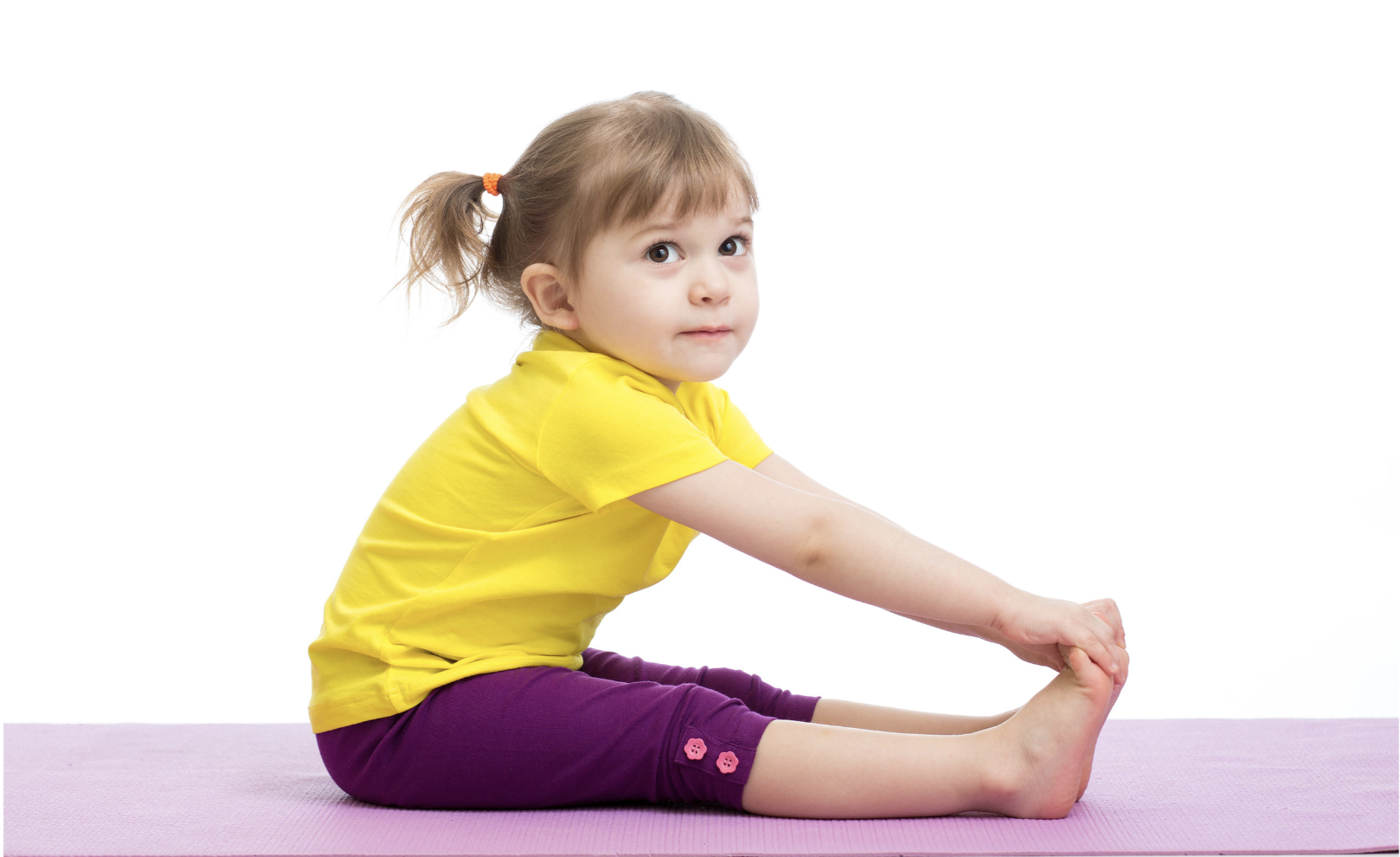
One of the chief concerns (and complaints) from parents I work with is that their children are super rigid and irrational. Typical examples include:
Henry threw a huge fit because I picked him up from childcare instead of Grandma, who usually gets him at the end of the day.
Chelsea refused to take a bath because I turned on the water when she wanted to do it herself.
Andrew's teachers report that his peers don't want to play with him because he is bossy and needs to dictate everything. Yesterday, he knocked down the block structure he was building with friends because he insisted it be a home for their action figures when his playmates had already decided it was going to be a restaurant.
If any of these scenarios sound familiar, you are not alone.

Go with the Flow: Preventing the Perils of Potty Training
The prospect of potty training is terrifying for many parents. They have heard horror stories of catastrophic boot camps, kids refusing to poop on the potty, and preschools rejecting children for not being trained. Through my work with families facing these challenges, I have developed an approach to potty-learning that takes into consideration what the process feels like from the child’s perspective, which is often overlooked, and that addresses some key factors that can have a significant impact on whether this process is positive or perilous. A follow-up piece will address how to deal with specific challenges that may arise in the potty-learning process.
Look at the pottying process from a developmental perspective:
You have no control over your child. You can’t make him do anything, including pee and poop in the potty. Children are the only ones in control of their bodies. It is their job to master these skills, with adult support. It is not your job to do it for them.
Learning to manage bodily functions, such as, elimination, eating, and sleeping, is essential for children’s sense of agency and self-esteem. It builds confidence that they can be in control of and take care of themselves.
The ability to use the potty is all about control—the ability to “hold it in” and get to a potty to let it go. It just so happens that the age at which most children have the skills to learn to use the potty (2 to 3 years) coincides with an upsurge in their desire to exert control over their world. Therefore, some amount of defiance and opposition is developmentally appropriate and normal for children at this stage, and it is often triggered by others’ attempts to control them. When it comes to potty learning, this means that the more you try to control your child’s elimination, the more likely she is to dig in her heels and refuse. This is how your child maintains her integrity and reminds you that she is the only one who has the power to control her body.
Further, between 18 months to 2 years, children are becoming increasingly aware that they are separate beings and that their body belongs to them. They begin to feel greater ownership over their bodies which makes them even more sensitive to people trying to control their bodily functions (diapering, feeding, dressing, etc.)
Temperament plays a big role in potty learning. For children who, by nature, tend to be more controlling and have a harder time being flexible and adapting to change, the potty learning process can be more challenging. With these children it is especially important not to cross the line into trying to control them as the chances are that it will backfire.
Guiding Principles for How to Approach the Pottying Process

Public Displays of Disaster: What to do when your child loses it outside the home
At the end of the day, my work with families boils down to helping parents set limits with love; to maintain a loving, close connection with their children while sticking to clear boundaries that parents know are essential for building their children's self-regulation and resilience, but that are hard to maintain in the heat of the moment when heartstrings are pulled or you just can't bear another meltdown.
Sticking to limits is even harder when children are pushing the envelope and melting down outside the home. Most parents of young children live in terror of their little one losing it in public. It’s hard to avoid feeling judged and embarrassed by out-of-control behavior, as if it is evidence of your total incompetence as a parent—surely a result of your indulgence which has inevitably created a spoiled child. This naturally puts most parents in an emotionally charged place, feeling mortified and often angry at their child for putting them in this deeply uncomfortable and stressful situation.
How To Deal With Public Displays of Disaster

Dinner, Bath, Books, and Goodnight: A positive, effective approach to helping your child get through daily routines
I have rarely met a family that hasn't struggled in some way with getting their children through daily routines. Common complaints include: “Ethan whines and protests every single step", or, “Talia’s refusal to cooperate is forcing us to nag and bribe her which is driving us crazy and we know is messed up. We’re all miserable by the time we walk out the door.” Families with young children face these types of struggles because most toddlers have some degree of difficulty with transitions.
There are several reasons children have a hard time moving from one task to another during morning and bedtime routines, including:
Young children are quite zealous about asserting some control over their world. This means that whenever there is a demand to follow someone else’s agenda, such as yours, there is a natural tendency to defy it.
It is hard for many children to move from one activity to another. They become absorbed in what they are doing and making a transition takes a lot of effort.
Sometimes children have not actually tuned in to the direction you are giving them. They haven’t processed all of the information being communicated to them, so they can’t effectively act on it.
Some children are very distractible. They start to follow a direction, but something catches their attention and they lose track of what they are supposed to be focused on.
Morning and nighttime routines are associated with separations, such as going to child care/school, saying goodnight, etc. This can be emotionally challenging for young children.
The following strategies address these underlying issues and can help children better cope with daily routines.

Cracking the Cooperation Code
If you're like most parents, not being able to get your children to cooperate is one of your most vexing challenges. It’s especially maddening when a child’s lack of compliance seems totally irrational; for example, 3-year-old Sadie, who loves to eat but refuses to come to the dinner table and draws her parents into a power struggle, making everyone miserable. This naturally catapults her parents into revved-up mode. They get increasingly annoyed and resort to all kinds of rewards or threats to motivate Sadie to tow the line. Unfortunately, this typical, reactive kind of response usually makes it less likely that a child will change her tune and is more likely to result in an intensified tussle between parent and child.
As with all child-rearing challenges, the key is to figure out the root cause of the problem; what the driving forces are that result in the unacceptable behaviors. My colleague, occupational therapist, Teri Kozlowski of Teekoz Kids, has helped me crack the code on getting kids to cooperate by pointing out two key factors that influence the chance that children will follow directions: (1) whether children are even attending to and processing the information parents are trying to deliver to them; and (2) the tone and approach parents use to communicate directions to their children.
Factor #1: