
Lerner Child Development Blog
Blogs By Categories
- ADHD
- All Most Popular
- All Most Popular Blogs
- Anxiety
- Big Reactors
- Blogs
- Building Resilience
- Challenging behaviors
- Cooperation
- Distress Tolerance
- Emotional Regulation
- Food Challenges
- Highly Sensitive Children
- Limit-Setting With Love
- Low Frustration Tolerance
- Mealtime
- Neurodiversity
- No Power Struggles
- Parental Self Awareness
- Parental Self Regulation
- Physical Aggression
- Positive Discipline
- Potty Learning
- Regression
- School Related Issues
- School challenges
- Separation and Divorce
- Sibling Issues
- Sleep
- Social challenges
- Social emotional development
- challenging behaviors
- explosive behavior
- food
- lying
- masking
- mealtime
- parenting self-awareness
- positive parenting
- separation anxiety
- sleep
- social emotional development
- stress
- victim mindset

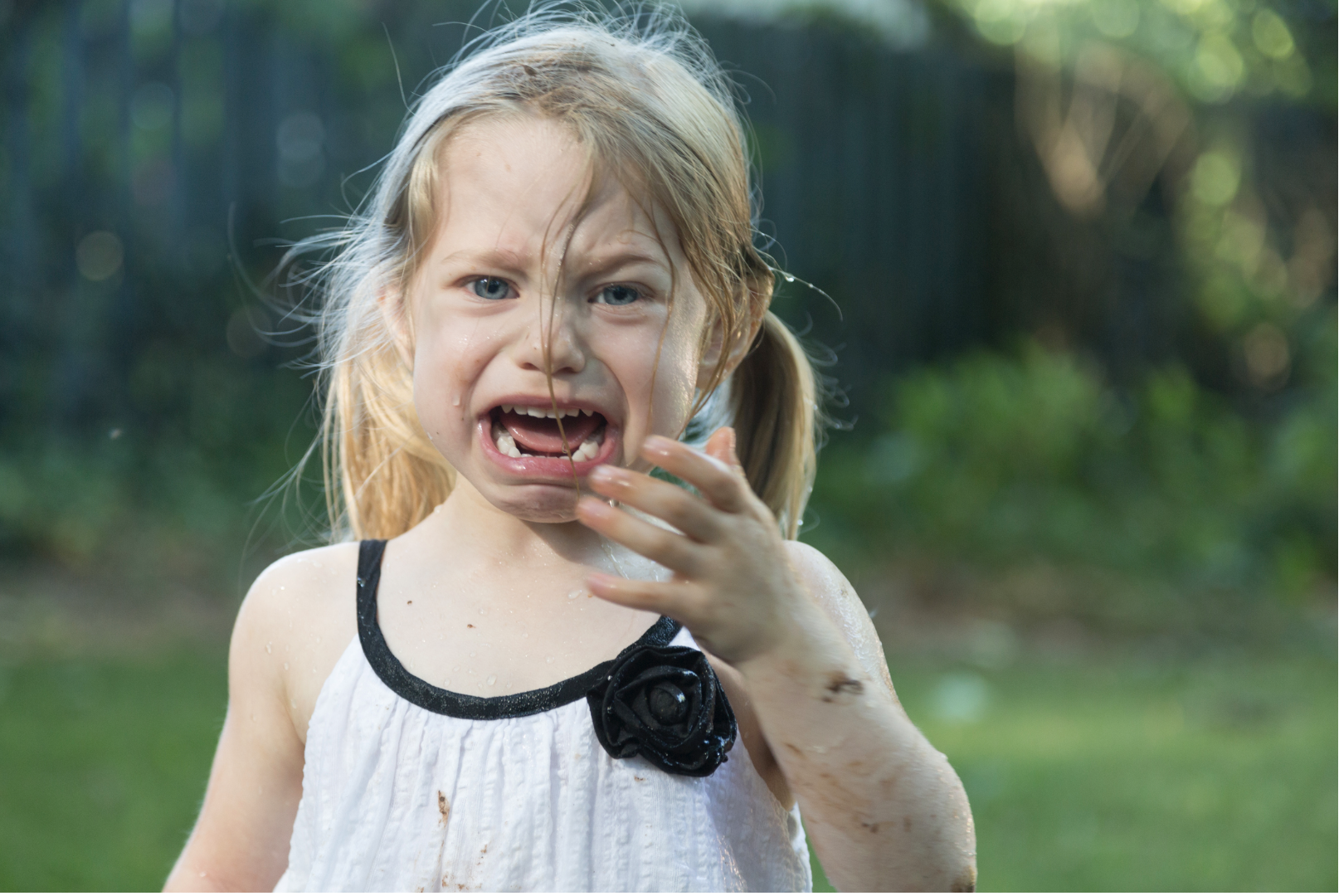
Public Displays of Disaster: What to do when your child loses it outside the home
At the end of the day, my work with families boils down to helping parents set limits with love; to maintain a loving, close connection with their children while sticking to clear boundaries that parents know are essential for building their children's self-regulation and resilience, but that are hard to maintain in the heat of the moment when heartstrings are pulled or you just can't bear another meltdown.
Sticking to limits is even harder when children are pushing the envelope and melting down outside the home. Most parents of young children live in terror of their little one losing it in public. It’s hard to avoid feeling judged and embarrassed by out-of-control behavior, as if it is evidence of your total incompetence as a parent—surely a result of your indulgence which has inevitably created a spoiled child. This naturally puts most parents in an emotionally charged place, feeling mortified and often angry at their child for putting them in this deeply uncomfortable and stressful situation.
How To Deal With Public Displays of Disaster

“I Said I Want the Red Bowl!” Responding to Toddlers’ Irrational Behavior
Claire Lerner, LCSW
Amelia, told that she can’t have a fifth book before bedtime, shouts: “You are the meanest mommy! You are not invited to my birthday party!” Derek, when offered a choice between carrots and cheese, not ice cream, before dinner announces: “I don’t like the choices you are choicing me!” Alex hurls a bowl of his favorite cereal off the table and screams, “I said the red bowl, not the blue bowl!” If any of these exclamations sounds familiar, you are not alone. Welcome to what can feel like the Wild West of toddlerhood.
But seen through the eyes of the child, and through the lens of development, these behaviors, while maddening, are utterly normal, and signal important milestones are being achieved. Further, these incidents don’t have to be dreaded, as they are opportunities to teach children to manage their emotions, learn to cope with frustration and disappointment, and find ways to feel in control of their ever-expanding worlds in prosocial, acceptable ways.
Getting clear on expectations is critical because the meaning we assign to a child’s behavior influences how we manage our own emotions and reactions to the behavior at hand. If we see the behavior as manipulative or purposely designed to drive us crazy, then we are much more likely to react in angry or harsh ways that escalate instead of calm our child. If, instead, we see these behaviors in the context of normal development, then we can approach our children with empathy and be more effective in teaching good coping skills.
Here are some important factors that influence young children’s behavior that are helpful to keep in mind when dealing with challenging behaviors: